Hello, food explorers! You know, there’s just something incredibly captivating about the vibrant, diverse world of Spanish-speaking food culture. From the sizzling street tacos in Mexico to the aromatic paella simmering in Spain, and the rich, comforting stews of Peru, it’s a culinary journey that always leaves me craving more.
I’ve noticed a beautiful trend lately: a growing appreciation for authentic regional specialties and the incredible stories behind each dish, moving beyond just the well-known favorites.
It’s like every meal tells a tale of history, community, and pure passion, and honestly, experiencing these flavors firsthand is one of life’s greatest pleasures.
The way fresh, local ingredients are celebrated and transformed into something truly unforgettable is a testament to generations of culinary wisdom. It’s more than just eating; it’s an immersive cultural experience that brings people together, no matter where you are.
I’ve often found myself completely enchanted by the lively markets, the family recipes passed down through generations, and the sheer joy that food brings to these communities.
Whether it’s the spicy kick of a Colombian aji, the sweet embrace of a Cuban flan, or the savory depth of an Argentine asado, each bite feels like a warm hug.
It truly highlights how food is deeply intertwined with identity and celebration, and understanding these nuances makes the experience so much richer.
If you’re ready to tantalize your taste buds and dive into a world brimming with flavor and tradition, you’re in for a treat. Let’s unravel the delicious secrets of Spanish-speaking food culture and discover some hidden gems together.
Unearthing Regional Gems: Beyond the Classics
You know, for the longest time, I thought I had a handle on Spanish-speaking cuisine. Paella, tacos, churros – check, check, check. But then I took a trip to Andalucía, and suddenly, my whole world cracked open.
It wasn’t just the *jamón ibérico* (though, oh my, that *jamón*!), but the lesser-known *salmorejo*, a chilled tomato and bread soup, that truly blew my mind.
It was so fresh, so simple, yet bursting with flavor – a testament to how incredible local ingredients can be when treated with respect. I still remember sitting in that little family-run *taberna*, the warmth of the sun on my face, feeling like I’d stumbled upon a delicious secret only the locals knew.
It’s those moments, those unexpected culinary discoveries, that truly make travel so rewarding. It’s like peeking behind the curtain of tourist traps and finding the real heart of a place, one bite at a time.
This passion for the authentic has led me down countless delicious paths, always searching for the next hidden gem. It’s a delightful challenge, and one that consistently reminds me just how vast and varied these food cultures truly are.
Trust me, once you start exploring beyond the well-trodden paths, there’s no going back. Each region has its own culinary dialect, and learning to “speak” it through its food is an unparalleled joy.
It’s a constant journey of delicious revelation.
Discovering Local Delights
My journey often starts with a chat with locals. I’ve found that the best recommendations never come from guidebooks, but from the warm-hearted woman selling fresh produce at a market, or the friendly bartender eager to share his grandmother’s secret recipe.
In Peru, for instance, everyone raves about *ceviche*, but have you tried *lomo saltado*? It’s a stir-fry that beautifully blends Chinese influences with Peruvian ingredients, creating a symphony of flavors that is utterly addictive.
The tender beef, crispy fries, and savory sauce – it’s comfort food elevated to an art form. It’s these specific, unique dishes that really define a region and its people.
I’ve learned that patiently seeking out these local favorites often leads to the most memorable meals and genuine cultural connections. It’s about opening yourself up to new experiences and letting your taste buds lead the way into the heart of a community.
The Magic of Unfamiliar Ingredients
Part of the thrill of exploring these regional specialties is encountering ingredients I’ve never seen before. Walking through a bustling Latin American market, I often feel like a kid in a candy store, but instead of sweets, I’m surrounded by vibrant, exotic fruits and vegetables.
Take the *ají amarillo* in Peruvian cuisine, for example – a yellow chili pepper that adds a distinct, fruity heat without being overwhelmingly spicy.
Or the *queso fresco* found across many Spanish-speaking countries, a fresh, mild cheese that crumbles beautifully and provides a wonderful counterpoint to bolder flavors.
Learning how these unique ingredients are incorporated into traditional dishes offers incredible insight into the local palate and culinary ingenuity.
It truly highlights how resourceful and creative these cultures are with what nature provides them. It’s a lesson in flavor and adaptability, one I cherish with every new discovery.
The Soul of the Market: A Feast for the Senses
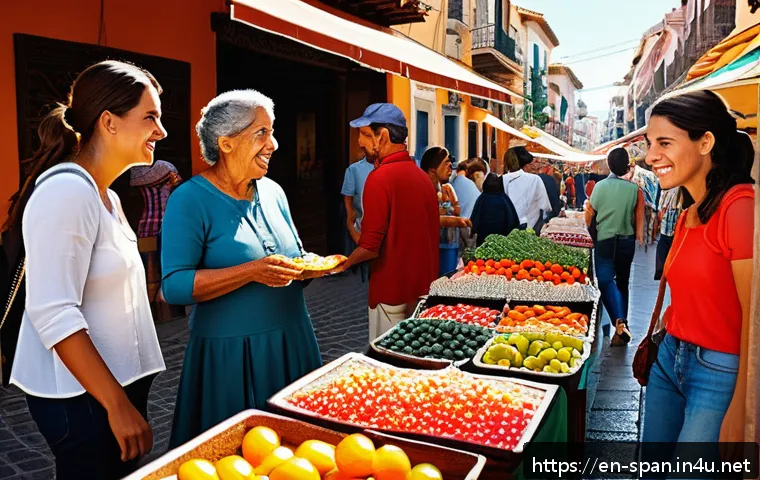
Stepping into a local market in any Spanish-speaking country is an experience that awakens every single one of my senses. The sheer visual spectacle alone is enough to take your breath away: mountains of colorful fruits and vegetables, glistening fresh seafood, and vibrant textiles creating a kaleidoscope of hues.
Then there’s the symphony of sounds – the lively chatter of vendors, the rhythmic chopping of knives, the enthusiastic haggling, and often, the soulful strumming of a guitar nearby.
And the aromas! Oh, the aromas. A heady mix of freshly baked bread, roasting meats, pungent spices, and sweet tropical fruits all mingling in the air.
It’s an intoxicating blend that tells a story of community, tradition, and the sheer joy of food. I’ve spent countless hours just wandering through these markets, not always with a shopping list, but simply to soak in the atmosphere.
It feels like the true pulse of the city, a place where daily life unfolds in its most authentic, unvarnished form. This vibrant energy is something I always carry with me, a reminder of the beautiful chaos and bounty that define these cultures.
It’s a sensory overload in the best possible way, and honestly, if you want to understand a place, start by exploring its market.
A Culinary Classroom Without Walls
For me, these markets are more than just places to buy food; they’re living, breathing culinary classrooms. I love watching how vendors interact with their produce, how they expertly carve meats or arrange their wares with such an eye for detail.
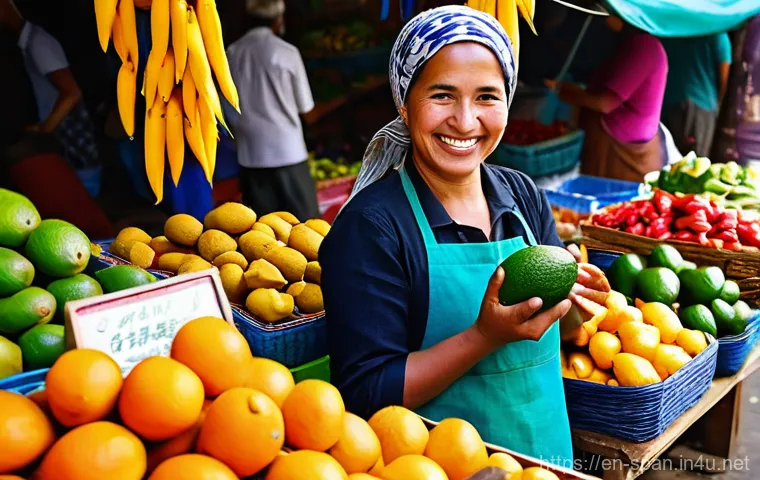
It’s in these moments that I pick up subtle tips – how to choose the ripest avocado, the freshest fish, or the most aromatic herbs. I’ve even learned a few Spanish cooking terms just by listening intently to the conversations around me.
The passion these people have for their food is infectious, and it’s a constant source of inspiration for my own cooking experiments back home. It’s truly a place where you can learn by observation and by simply being present, absorbing the wisdom that’s passed down through generations.
Connecting Through Local Produce
There’s a beautiful simplicity in buying directly from the people who grow, raise, or prepare the food. I’ve found that these interactions often turn into genuine connections.
I remember a small conversation with a spice vendor in Mexico City, who, after seeing my genuine interest, shared a family recipe for *mole* that she swore was “the real deal.” It’s these small, authentic exchanges that make the experience so much richer.
You’re not just buying ingredients; you’re buying a piece of someone’s heritage, their knowledge, and their story. This direct connection to the source instills a deeper appreciation for every meal and the hands that brought it to your table.
It’s a testament to the power of food to foster human connection across cultures and languages, creating a shared understanding that transcends words.
From Grandmothers’ Kitchens: Recipes That Tell Tales
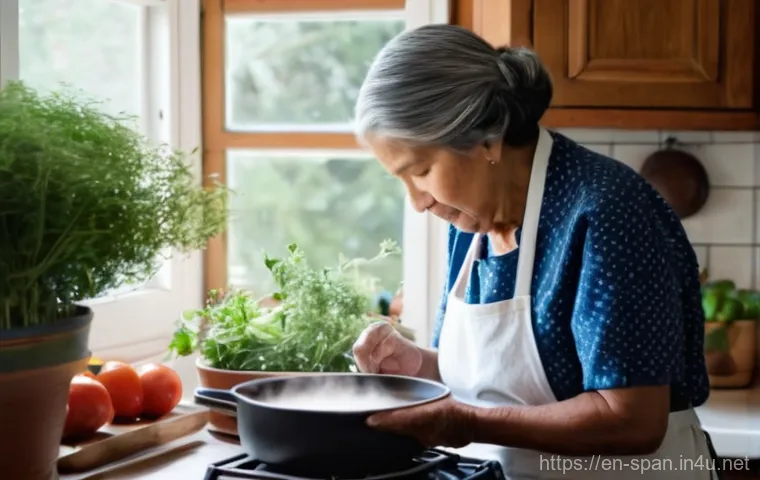
There’s an undeniable magic in the flavors that emerge from a grandmother’s kitchen in any Spanish-speaking country. These aren’t just recipes; they are living histories, passed down through generations, each dish carrying the echoes of countless family gatherings, celebrations, and everyday comforts.
I’ve had the privilege of tasting some of these legendary dishes, and each time, it feels like I’m being let in on a precious secret. The ingredients are often simple, but the love, patience, and intuition that go into their preparation transform them into something truly extraordinary.
It’s a profound testament to the fact that the best food isn’t always about fancy techniques or exotic ingredients; it’s about heart and heritage. I often find myself trying to recreate these dishes, chasing that elusive taste of authenticity, and while I get close, there’s always that special touch only a *grandma* can provide.
It’s a humbling and inspiring experience every single time, making me realize how much culture is embedded in every pot and pan. These kitchens are the true culinary cradles, nurturing traditions and tastes for decades, making every bite a journey through time and family.
The Art of *Sazón*
One of the concepts I’ve learned to appreciate deeply is *sazón*. It’s more than just seasoning; it’s that intuitive, soulful touch that makes a dish uniquely delicious.
It’s knowing exactly when to add that pinch of cumin, how long to simmer the sauce, or what secret ingredient will elevate a simple stew. I’ve watched grandmothers prepare meals with an almost unconscious grace, tasting and adjusting, until the flavors sing in perfect harmony.
It’s not something you can easily measure or write down; it’s an inherited wisdom, a feeling, a culinary intuition that comes from a lifetime of cooking.
This *sazón* is what makes a family’s *arroz con pollo* different from another’s, even if they use similar ingredients. It’s the culinary fingerprint of a generation, often perfected over decades, and it’s something I strive to understand, if not fully replicate, in my own kitchen.
Stories Simmered in Stews
Every traditional dish from these kitchens seems to come with a story. I once tasted a hearty lentil stew in a small town in Colombia, and the woman who prepared it told me how her mother used to make it every Friday during Lent, stretching the ingredients to feed a large family.
She recounted tales of her childhood, of simpler times, all while the comforting aroma of the stew filled the air. These aren’t just meals; they’re narratives, woven with flavors and memories.
Learning these stories makes the food so much more meaningful, connecting you not just to the taste, but to the people and their history. It’s a beautiful reminder that food is one of the most powerful storytellers we have, capable of transporting us to different times and places, all from a single spoonful.
Street Food Adventures: A Culinary Thrill Ride
If you truly want to experience the vibrant pulse of Spanish-speaking food culture, you absolutely have to hit the streets. Forget fancy restaurants for a moment and dive into the glorious chaos of street food.
This is where innovation meets tradition, where flavors explode in unexpected ways, and where you can feed your soul (and your stomach) for just a few dollars.
My personal journey through street food has been nothing short of a thrill ride, a dizzying array of textures, spices, and sheer culinary genius. From the bustling *taquerías* in Mexico City where endless varieties of *tacos* are expertly assembled, to the *arepa* stands in Colombia overflowing with cheese and fillings, it’s a democratic dining experience that welcomes everyone.
I’ve learned that some of the most authentic and mind-blowing flavors are found on a humble cart, cooked with passion and speed, often by individuals who have perfected a single dish over decades.
There’s an undeniable energy to it all, a sense of immediate gratification and discovery that makes every bite an adventure. It’s fast, it’s fresh, and it’s unbelievably flavorful, making it an essential part of any food exploration.
The vibrant atmosphere and the delicious aromas make it an unforgettable experience, an open-air feast that showcases the best of local ingenuity and flavor.
Taco Tales and Beyond
In Mexico, the humble taco is king, but the sheer variety is astounding. Beyond the well-known *al pastor* and *carnitas*, I’ve devoured *tacos de suadero* (slow-cooked brisket), *tacos de canasta* (basket tacos steamed in oil), and even *tacos de chapulines* (grasshoppers – trust me, they’re surprisingly good and crunchy!).
Each region, sometimes each street vendor, has a unique twist, a secret marinade, or a special salsa that sets their tacos apart. It’s a never-ending quest to find the “best” taco, a delicious pursuit that has led me down countless fascinating alleys and into friendly debates with locals about their favorites.
The beauty of it is that there’s no single answer, just an endless journey of delicious discovery. It’s about savoring each unique creation, recognizing the passion and skill that goes into every single one.
Sweet Treats and Savory Bites
Street food isn’t just about savory delights. Many Spanish-speaking countries boast an incredible array of sweet street treats that are utterly irresistible.
Think of the warm, sugar-dusted *churros* with thick dipping chocolate, a staple in Spain and beyond, or the crispy, syrupy *buñuelos* found in various forms throughout Latin America.
In Colombia, I fell in love with *obleas*, thin wafers generously slathered with *arequipe* (dulce de leche) and sometimes cheese – a surprisingly delicious combination!
And let’s not forget the refreshing *raspados* or *piraguas*, flavored shaved ice that’s a lifesaver on a hot day. These sweet and savory contrasts highlight the culinary creativity found on every street corner, making sure there’s always something new and exciting to tempt your taste buds, no matter your preference.
Sweet Endings and Festive Sips: The Joy of Dessert
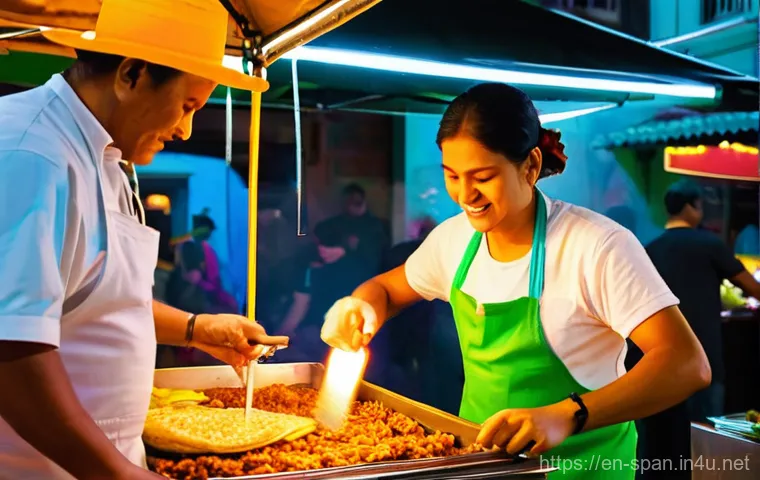
You know, for me, a meal isn’t truly complete without a sweet ending. And in the Spanish-speaking world, desserts are not just an afterthought; they’re a celebration in themselves, often rich with history and cultural significance.
I’ve indulged in countless sweet treats, from the simplest *arroz con leche* (rice pudding) to elaborate, multi-layered cakes, and each one tells a delicious story.
There’s a comforting familiarity in many of the ingredients – cinnamon, vanilla, citrus – but the way they’re combined and presented is always unique to the region.
It’s fascinating to see how local produce, like tropical fruits or specific nuts, gets incorporated into these delightful creations. It always feels like a warm hug at the end of a satisfying meal, a gentle transition from savory to sweet that leaves you with a lingering sense of happiness.
The sheer artistry and passion that go into these desserts are truly inspiring, making them an integral part of the overall culinary experience and a joyful way to cap off any gathering.
It’s more than just sugar; it’s tradition, creativity, and pure delight baked into every bite.
| Country/Region | Signature Dessert | Key Ingredients | My Takeaway |
|---|---|---|---|
| Spain | Churros con Chocolate | Flour, sugar, chocolate, oil | A classic, unbeatable comfort food, especially on a chilly morning! |
| Mexico | Flan | Eggs, condensed milk, vanilla, sugar | Silky smooth perfection, a true testament to simple elegance. |
| Peru | Picarones | Squash, sweet potato, anise, chancaca syrup | Sweet and savory fried dough, an unexpectedly delightful textural contrast. |
| Argentina | Alfajores | Cornstarch, flour, dulce de leche, coconut | Melt-in-your-mouth cookies, impossible to eat just one! |
Decoding the Sweet Science of Flan
If there’s one dessert that seems to unite the Spanish-speaking world, it’s flan. But don’t be fooled into thinking it’s all the same! Each country, sometimes even each family, has its own subtle variations.
I’ve tasted flans that are incredibly dense and rich, others that are light and airy, and some infused with coffee, coconut, or orange zest. The common thread is that beautiful, shimmering caramel topping and the velvety smooth custard beneath.
The process of making a perfect flan is almost meditative – carefully preparing the caramel, gently mixing the custard, and then baking it just so in a *bain-marie* until it reaches that perfect jiggle.
It’s a dessert that demands a bit of patience and precision, but the reward is a truly luxurious and satisfying treat that always brings a smile to my face.
It’s one of those desserts that you just can’t mess with too much, as its simplicity is its ultimate charm.
From Coffee to Cocktails: The Drink Culture
Beyond the sweet plates, the beverage culture in Spanish-speaking countries is equally captivating. Coffee, of course, reigns supreme in many regions, from the strong, dark roasts of Colombia to the sweet, milky *café con leche* of Spain.
But then there are the refreshing non-alcoholic delights like *horchata* (a creamy rice milk drink) or *agua de jamaica* (hibiscus iced tea) in Mexico, which are perfect for cooling down on a hot day.
And when it comes to alcoholic beverages, the options are endless and deeply rooted in local traditions. The sophisticated sangrias of Spain, the powerful pisco sours of Peru and Chile, the rum-based cocktails of the Caribbean, and the bold red wines of Argentina – each drink tells a story of its land and its people.
There’s a perfect pairing for every meal and every occasion, enhancing the entire culinary experience. It’s an integral part of the dining ritual, adding another layer of flavor and festivity to every gathering.
Pairing Perfection: Drinks That Elevate the Meal
Honestly, diving into the food culture of Spanish-speaking countries without acknowledging their incredible drink traditions would be like enjoying a symphony without the brass section – you’re missing a huge, vibrant part of the experience!
I’ve discovered that the right beverage can truly elevate a meal, transforming it from delicious to unforgettable. It’s not just about what you eat, but what you sip alongside it, allowing the flavors to dance and intertwine in new and exciting ways.
I’ve learned to appreciate the art of pairing, how a crisp Spanish Albariño can cut through the richness of seafood paella, or how a robust Argentine Malbec perfectly complements a juicy *asado*.
It’s a whole different dimension of culinary exploration, one that adds depth and nuance to every bite. This thoughtful combination isn’t just about quenching thirst; it’s about crafting a complete sensory experience that reflects the local palate and traditions.
The variety is astounding, ensuring that there’s always a perfect liquid companion for whatever culinary adventure you’re on.
The Global Influence of Coffee Culture
It’s no secret that some of the world’s best coffee originates from Spanish-speaking countries, particularly in Latin America. For me, a day isn’t complete without a really good cup, and I’ve savored some truly exceptional brews from Colombia, Costa Rica, and Guatemala.
But it’s more than just the bean; it’s the ritual surrounding the coffee. In Spain, a *café con leche* is a morning staple, a comforting start to the day.
In Cuba, the strong, sweet *cafecito* is a vital social lubricant, shared with friends and neighbors. Each region has its own unique way of preparing and enjoying this beloved beverage, making the simple act of drinking coffee a profound cultural experience.
It’s a moment of connection, reflection, and pure sensory pleasure that I’ve come to cherish deeply. The aroma alone can transport you, and the taste is a rich tapestry of history and tradition.
Beyond Wine: Craft Beers and Spirits
While wine and coffee often get the spotlight, I’ve been pleasantly surprised by the burgeoning craft beer scene and the incredible diversity of spirits across the Spanish-speaking world.
In Mexico, beyond the ubiquitous lagers, smaller breweries are creating inventive ales and stouts that perfectly complement spicy cuisine. In countries like Peru and Chile, *pisco* is much more than just the base for a *pisco sour*; it’s a sophisticated grape brandy with a rich history and a wide range of flavor profiles, often enjoyed neat.
Then there’s the beloved *tequila* and *mezcal* from Mexico, spirits that are experiencing a global renaissance, with connoisseurs appreciating their complex notes and artisanal production.
Exploring these local brews and spirits offers another fascinating window into the local culture, revealing a dedication to craftsmanship and a palate that extends far beyond the well-known.
It’s a delightful journey into the unexpected, adding another layer of appreciation to the vibrant beverage landscape.
Bringing the Flavors Home: My Kitchen Experiments
There’s something incredibly satisfying about trying to recreate the magic of Spanish-speaking food culture in my own kitchen. After every trip, I come home with a suitcase full of spices, unique ingredients, and a head buzzing with new ideas and techniques.
It’s a challenge, of course, to capture that exact same authentic flavor without the local water, the specific climate, or the grandmother’s *sazón*, but it’s a challenge I eagerly embrace.
My kitchen transforms into a culinary laboratory, often filled with the glorious aromas of simmering sauces, sizzling meats, and freshly chopped herbs.
It’s not just about following a recipe; it’s about channeling the spirit of the places I’ve visited, trying to infuse my dishes with the same passion and joy I witnessed firsthand.
I’ve had my share of hilarious mishaps (my first attempt at *arepas* was, let’s just say, structurally unsound), but also countless triumphs that have brought immense satisfaction.
This process of experimentation and learning keeps the travel memories alive and allows me to share a piece of those incredible cultures with my friends and family right here at home.
It’s a wonderful way to extend the journey and keep the culinary adventure going long after I’ve unpacked my bags.
Mastering the Art of Sofrito
If there’s one fundamental technique I’ve tried to master, it’s the *sofrito*. This aromatic base of sautéed onions, garlic, peppers, and tomatoes is the soul of so many dishes across Spanish-speaking cuisines, from Puerto Rican *arroz con gandules* to Spanish stews.
I remember watching a chef in San Juan meticulously chop each vegetable, letting them gently caramelize in olive oil, releasing layers of flavor. It’s not a quick process; it requires patience and a gentle hand, allowing the ingredients to meld and deepen over time.
I’ve experimented with different ratios, adding a bay leaf here, a pinch of oregano there, trying to find my own perfect *sofrito* balance. When you get it right, it forms the most incredible foundation, elevating everything built upon it.
It’s a testament to how simple ingredients, when treated with respect and time, can create extraordinary depth of flavor.
Adapting to Local Ingredients
One of the biggest lessons I’ve learned when cooking these dishes at home is the importance of adaptation. While I love sourcing authentic ingredients, sometimes they’re just not available, or they come with a hefty price tag.
That’s where creativity kicks in! I’ve found suitable substitutes for exotic peppers, experimented with different types of cheese, and learned to adjust seasonings to compensate for variations in local produce.
It’s about understanding the essence of the dish, its core flavors, and then finding ways to achieve that profile with what’s readily available. This process has not only made me a more resourceful cook but has also given me a deeper appreciation for the ingenuity of cooks in these cultures who have always worked with what they have.
It’s a reminder that great food doesn’t always require perfection in ingredients, but rather a keen understanding of flavor and a willingness to experiment.
Wrapping Up Our Culinary Journey
Well, what a delicious adventure it’s been! From the vibrant street food of Mexico to the soulful stews of grandmothers’ kitchens in Colombia, and the sophisticated sips in Spain, our exploration into the food cultures of Spanish-speaking countries has truly been a feast for all the senses. It’s more than just eating; it’s about connecting with people, understanding history, and discovering the heart and soul of a place through its flavors. Every dish, every market visit, every shared meal has left an indelible mark on my culinary map, reinforcing that the best way to travel is often with an open mind and an eager palate. I sincerely hope this journey has sparked your own desire to dive deeper and uncover the countless hidden gastronomic treasures waiting to be found.
Helpful Tips for Your Next Food Adventure
If you’re anything like me, reading about these incredible dishes probably has your taste buds tingling and your travel plans forming. So, to help you make the most of your own culinary explorations in Spanish-speaking regions, I’ve put together a few tried-and-true tips that I’ve picked up along the way:
-
Go Where the Locals Go: This might seem obvious, but it’s genuinely the golden rule! Avoid restaurants with flashy signs and English menus near major tourist attractions. Instead, wander a few blocks off the main drag. Look for places bustling with local diners, or even better, ask a local where *they* eat. A friendly chat with your hotel staff, a shopkeeper, or even a taxi driver can lead you to the most authentic and delicious hidden gems. These spots are usually tucked away, but they offer the true flavors of the region.
-
Embrace Street Food and Markets: Seriously, some of the most incredible culinary experiences happen on the street. Busy food stalls often mean fresh, quickly cooked food. Dive into local markets not just for ingredients, but for prepared dishes and snacks. It’s a sensory explosion and an affordable way to sample a huge variety of flavors. Plus, markets are fantastic for people-watching and soaking in the local atmosphere.
-
Take a Food Tour or Cooking Class: If you want to really get into the nitty-gritty, these are game-changers. Food tours, especially early in your trip, can orient you to the local cuisine, teach you about customs, and introduce you to places you’d never find on your own. Cooking classes offer a hands-on experience, letting you learn techniques and recipes directly from local chefs or home cooks. It’s a fantastic way to bring a piece of your trip home with you.
-
Prioritize Food Safety Smartly: While adventure is great, a stomach upset is not! When exploring street food, look for vendors with long lines and high turnover, as this usually indicates freshness. Opt for dishes that are cooked thoroughly and served hot. When it comes to fruits and vegetables, if they don’t have a thick peel that you can remove yourself, it’s best to be cautious or ensure they’ve been washed with purified water. And always stick to bottled or filtered water in regions where tap water safety is uncertain, and avoid ice unless you’re sure it’s made from purified water.
-
Learn a Few Key Phrases: Even a basic “Soy vegetariano/a” (I am vegetarian), “Tengo alergia a…” (I am allergic to…), or “Sin picante, por favor” (Without spice, please) can make a huge difference in your dining experience. Locals genuinely appreciate the effort, and it helps ensure you get exactly what you want – and avoid what you don’t. It’s not just about politeness; it’s about clearly communicating your needs for a safe and enjoyable meal.
Key Takeaways for the Avid Foodie
At the end of the day, what I’ve truly come to understand is that food in Spanish-speaking cultures is so much more than mere sustenance; it’s a profound expression of identity, history, and community. It’s the *sazón* passed down through generations, the lively chatter in a bustling market, the shared laughter over a plate of *tapas*, or the comforting warmth of a grandmother’s stew. My experiences have taught me that to truly connect with these cultures, you have to eat like a local, with genuine curiosity and respect for tradition. Don’t be afraid to step outside your comfort zone, ask questions, and follow your nose to discover the most incredible, authentic flavors. Each culinary journey is an opportunity not just to taste new foods, but to build lasting memories and forge deeper connections with the world around us. So, go on, let your taste buds lead the way – the next unforgettable meal is just waiting to be discovered!
Frequently Asked Questions (FAQ) 📖
Q: I’m looking to dive deeper than just tacos and paella! How can I find those truly authentic, off-the-beaten-path regional dishes when exploring Spanish-speaking food cultures?
A: Oh, I absolutely love this question because it’s exactly the kind of adventure I live for! While I adore a good taco or a beautifully made paella, the real magic of Spanish-speaking cuisine truly lies in those hidden gems, the dishes that are local secrets.
My top tip, and something I’ve personally found invaluable, is to hit the local markets first thing in the morning. Forget the touristy spots; seek out the bustling mercados where grandmas are haggling for their daily produce.
That’s where you’ll see and smell what’s truly seasonal and celebrated by the community. Strike up a friendly conversation (even a few basic Spanish phrases go a long way!) and ask vendors what they eat for lunch, or what their favorite local specialty is.
You’d be amazed at the recommendations you get! I remember once in Peru, a market vendor pointed me to the most incredible causa rellena stand I would have never found otherwise – it was a tiny, unassuming spot, but the flavors were mind-blowing.
Another fantastic approach is to look for small, family-run eateries, often called fondas or comedores. These aren’t usually fancy, but their food is prepared with generations of love and tradition.
They might not even have a printed menu, just a few daily specials, but trust me, those are often the most authentic. I also swear by local food tours, especially those led by passionate locals.
They can navigate you through neighborhoods and introduce you to dishes and stories you’d completely miss on your own. Don’t be shy, be curious, and let your taste buds lead the way – the rewards are truly unforgettable!
Q: With so many Spanish-speaking countries, how is it that their food cultures are all so different and vibrant? What drives this amazing culinary diversity?
A: Isn’t it just phenomenal? This is something that absolutely fascinates me every single time I explore a new region. You’d think with a shared language, there might be more overlap, but the truth is, the culinary landscape across Spanish-speaking countries is a breathtaking tapestry of unique flavors and traditions.
What truly drives this incredible diversity, from my experience, comes down to a few key ingredients, if you will. Firstly, geography plays a colossal role.
Think about it: a country like Chile, stretching from deserts to glaciers, will have wildly different ingredients and cooking methods than, say, a Caribbean island nation like Cuba, or the high altitudes of Bolivia.
Each region’s climate dictates what grows there, what seafood is available, and even how food is preserved. Then there’s the profound influence of indigenous cultures.
Long before the Spanish arrived, civilizations like the Aztecs, Mayans, and Incas had rich, complex culinary traditions, and their ingredients (corn, potatoes, chilies, cacao, quinoa!) and cooking techniques form the very bedrock of many national cuisines today.
For example, Mexican food, with its incredible variety of moles and masa-based dishes, is deeply rooted in its pre-Hispanic heritage. Furthermore, historical migrations have left indelible marks.
The arrival of African slaves brought new ingredients and cooking methods, particularly evident in the soulful stews and plantain dishes of the Caribbean and coastal Latin America.
Later European and even Asian immigrants (think of the strong Peruvian-Japanese fusion, Nikkei cuisine!) further enriched the palate. It’s a living, breathing history lesson on a plate, where every dish tells a story of land, people, and time.
I find it endlessly inspiring to trace these influences with every bite!
Q: I want to experience more than just a meal. How can I really immerse myself in the cultural heart of Spanish-speaking food, like visiting those lively markets and understanding family traditions?
A: Oh, you are speaking my language now! For me, truly experiencing food in Spanish-speaking cultures is never just about what’s on your plate; it’s about the entire vibrant ecosystem surrounding it.
If you want to dive deep, beyond just eating, start with those lively markets you mentioned. They are the pulse of any community. I always make it a point to go not just to buy, but to observe, to listen, and to engage.
Watch how people interact, notice the vibrant colors of fresh produce, and let the aromas of spices and cooked food wash over you. It’s an sensory overload in the best possible way!
Another truly transformative experience I always recommend is taking a cooking class, but not just any cooking class. Look for one that emphasizes traditional methods or, even better, one hosted in someone’s home.
I once took a class in Oaxaca where we started at the market to buy ingredients, then went back to a local woman’s kitchen to grind corn for tortillas and make a mole from scratch.
It was hands-on, deeply personal, and gave me such a profound appreciation for the effort and history behind the food. It felt like being welcomed into a family!
Attending local food festivals or even religious celebrations often comes with incredible food traditions – think Semana Santa dishes or harvest celebrations.
These are usually much more authentic than anything you’ll find in a tourist guide. And finally, and this might sound simple, but engage with people. Learn a few basic Spanish phrases.
Ask about their family recipes, their favorite childhood foods. You’ll often find that the warmth and generosity of the people, eager to share their culinary heritage, is the most delicious part of the entire journey.
It makes every bite resonate with so much more meaning.