Hey there, language adventurers! Ever started learning Spanish with a huge burst of enthusiasm, only to find yourself wondering where that spark went a few weeks later?
Believe me, I totally get it. It’s incredibly easy to feel swamped by endless apps and textbooks, or to just lose momentum when life gets busy. But what if the secret to truly mastering Spanish isn’t about brute-forcing it, but about cleverly weaving it into your daily life with a routine that actually sticks and feels rewarding?
I’ve personally discovered that a few smart adjustments can make all the difference, transforming language learning from a chore into something genuinely exciting and consistent, especially with all the cool tech we have today.
Ready to unlock those consistent learning habits and finally speak with confidence? Let’s dive deep into crafting a Spanish learning routine that works for *you*!
Shifting Your Mindset: Why “Trying Harder” Isn’t Always the Answer
Honestly, when I first started my Spanish journey, I thought the key was just to grind it out. More hours, more flashcards, more intense grammar drills. But let me tell you, that approach burned me out faster than a candle in a hurricane! I found myself dreading my study sessions, and the joy I initially felt just evaporated. It was like I was running on a treadmill, putting in a ton of effort but not really getting anywhere meaningful. What I eventually realized was that it wasn’t about sheer brute force; it was about smart, consistent effort and, crucially, a complete shift in how I viewed the entire process. It’s a common trap we fall into, thinking that more pain equals more gain, but with language learning, that’s rarely the case. We need to move beyond the idea of an intense sprint and instead think of it as a marathon built on sustainable habits. This mindset change was a game-changer for me, making the process not only effective but genuinely enjoyable again.
Ditching the “Perfect” Goal for “Consistent Progress”
One of the biggest hurdles I faced was this internal pressure to be “perfect” right away. Every mistake felt like a failure, and I’d get so discouraged if I couldn’t conjugate a verb perfectly or remember a specific vocabulary word on the spot. It really stifled my willingness to speak up and practice. The moment I let go of that impossible standard and started celebrating tiny, consistent steps, everything changed. Learning a language isn’t a straight line; it’s a messy, beautiful journey with detours and bumps. Instead of aiming for flawless fluency, I started focusing on showing up every day, even if it was just for ten minutes. Those consistent ten minutes, over weeks and months, piled up into significant progress that “perfect” me would have never achieved because I would have quit from frustration. It’s about being okay with sounding a bit silly sometimes, making mistakes, and just enjoying the ride. Trust me, it’s a much more sustainable and joyful way to learn.
Embracing Mistakes as Your Best Teachers
I used to cringe every time I made a mistake in Spanish, feeling a hot flush of embarrassment creep up my neck. But through my own experience, and seeing how effortlessly kids pick up languages, I learned that mistakes aren’t just inevitable; they’re absolutely essential. Think about it: if you never try to speak for fear of messing up, you’ll never actually speak! I started seeing every incorrect verb tense or misinterpreted phrase as a valuable piece of feedback, not a personal failing. It’s like a signpost telling you exactly where you need to focus next. I actually began keeping a small notebook where I’d jot down phrases I consistently stumbled on, then make a point to review them. This flipped the script from “Oh no, I messed up” to “Ah, interesting! This is something I need to work on.” That shift in perspective completely disarmed my fear of making errors and actually accelerated my learning significantly. I really encourage you to lean into those mistakes; they’re your personal tutors!
Weaving Spanish into Your Daily Grind: Effortless Integration
For a long time, I treated Spanish learning as a separate “event” in my day – something I had to carve out specific, often inconvenient, blocks of time for. And honestly, it felt like a chore, another item on an already packed to-do list. I’d try to squeeze in an hour before work or late at night, and inevitably, life would happen, and those sessions would get skipped. What really transformed my routine was realizing that I didn’t need dedicated, isolated study blocks for *all* my learning. Instead, I started to look for opportunities to seamlessly integrate Spanish into the activities I was already doing. It wasn’t about adding more to my plate, but about subtly changing the flavor of what was already there. This approach has been incredibly effective because it removes the mental barrier of “having to study” and instead makes learning a natural, almost invisible part of my daily flow. It feels less like work and more like just living my life, but with a Spanish twist!
The Power of Micro-Learning Moments
We all have these little pockets of dead time throughout our day, don’t we? Waiting for coffee, commuting, standing in line at the grocery store. For years, I just scrolled mindlessly through social media during these moments. But then, I had an epiphany: what if I used those tiny snippets for Spanish? Even just five minutes here and there can add up to a significant amount of exposure over a week. I started using apps that were designed for quick, bite-sized lessons, or simply reviewing flashcards on my phone. Sometimes I’d just listen to a quick Spanish news summary. It wasn’t about deep study; it was about consistent, low-effort exposure. I found that these micro-moments were perfect for reinforcing vocabulary, practicing pronunciation, or just keeping my ear attuned to the language. It doesn’t feel overwhelming, and before I know it, I’ve had an extra 30-45 minutes of Spanish practice without really feeling like I’ve “studied” at all. It’s truly a game-changer for busy schedules.
Turning Chores into Language Opportunities
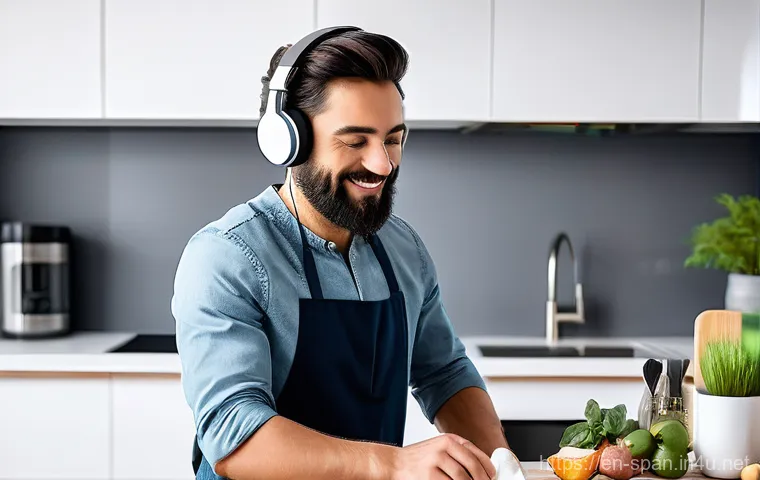
Who enjoys doing chores? Not me, usually! But I’ve discovered a fantastic way to make them not only tolerable but actually productive for my Spanish learning: audio immersion. When I’m doing dishes, folding laundry, or tidying up, my hands are busy, but my mind is often free to wander. This is prime time for listening to Spanish podcasts, audiobooks, or even just some Spanish music. I’ve found that having background Spanish while I’m doing these mundane tasks keeps the language active in my brain without requiring intense focus. Sometimes I’ll actively try to pick out words or phrases, other times it’s just about letting the sounds and rhythm of the language wash over me. It’s amazing how much passive learning happens this way. I’ve learned so many new phrases from podcasts I’ve listened to while cooking dinner, phrases I might never have encountered in a textbook. It truly transforms boring tasks into valuable learning experiences. It’s a win-win!
Leveraging Tech for a Smarter Spanish Journey
I remember back in the day, learning a language meant stacks of textbooks, heavy dictionaries, and maybe some cassette tapes. While those definitely had their place, today’s tech landscape has completely revolutionized how we can approach Spanish. It’s not just about flashy apps; it’s about smart tools that can personalize your learning, provide instant feedback, and connect you with native speakers across the globe. Initially, I felt overwhelmed by the sheer number of options out there, but through a lot of trial and error (and a few wasted subscriptions!), I’ve curated a toolkit that genuinely supports my learning style and keeps me engaged. The key is to be selective and find what truly resonates with you, rather than trying to use everything under the sun. When chosen wisely, these digital resources can amplify your efforts exponentially, turning passive learning into active engagement and making the entire process far more efficient and enjoyable. Don’t be afraid to experiment to find your perfect tech stack!
Beyond Duolingo: Uncovering Niche Apps and AI Tools
Okay, let’s be real, Duolingo is fantastic for getting started, and I still pop in for a quick review now and then. But for truly leveling up, I’ve found incredible value in exploring more niche applications and the power of AI. For instance, apps like Anki for spaced repetition flashcards have been an absolute lifesaver for solidifying vocabulary and grammar points that just wouldn’t stick otherwise. The intelligent algorithm makes sure I review things exactly when I’m about to forget them, which feels like magic! Then there are AI-powered tutors, like some of the newer conversational AI platforms, where I can practice speaking without the fear of judgment. It’s a low-pressure environment to try out new phrases and get real-time feedback on pronunciation. I’ve also found some fantastic conjugation trainers that feel like games but really drill those tricky verb endings into my brain. These tools go beyond basic repetition and offer a level of personalization that traditional methods just can’t touch. It’s like having a dedicated tutor in your pocket, always ready to help.
Podcasts and YouTube: Your Portable Immersion Bubble
If there’s one thing I tell everyone about language learning, it’s this: get into podcasts and YouTube! Seriously, these platforms are an absolute goldmine for immersion, and they’re completely free. I’ve discovered so many incredible Spanish-language podcasts, ranging from news and current events to storytelling and cultural deep dives. The beauty of podcasts is that they fit perfectly into those “dead” moments I talked about earlier – commuting, working out, even just walking the dog. It trains your ear to the natural rhythm and speed of spoken Spanish, which is so different from textbook audio. YouTube is equally amazing for visual learners. I follow several channels dedicated to Spanish learning, as well as channels purely in Spanish about topics I genuinely enjoy, like cooking or travel. Seeing the visuals along with the spoken words really helps with comprehension. It’s like creating your own personalized immersion bubble, bringing the language and culture directly to you, no matter where you are. I’ve truly felt my comprehension soar since making these a regular part of my routine.
Immersive Experiences, Right Where You Are
When most people think of language immersion, they picture jetting off to Madrid or Mexico City, and while that’s an incredible experience, it’s simply not feasible for everyone, all the time. I certainly can’t just drop everything and fly to Spain whenever I feel like it! What I’ve learned, though, is that you can create incredibly rich, immersive experiences right in your own home or local community. It just takes a little creativity and a willingness to step outside your comfort zone. This isn’t about perfectly replicating a trip abroad, but about actively seeking out opportunities to interact with the language and culture in a meaningful way, no matter where you are geographically. It’s about bringing the Spanish-speaking world to you, whether that’s through food, film, or conversation. The more you surround yourself with the language, even in small ways, the more natural and intuitive it becomes. I’ve been amazed at how much I can learn and experience without ever needing to pack a suitcase.
Finding Your Local Spanish-Speaking Community
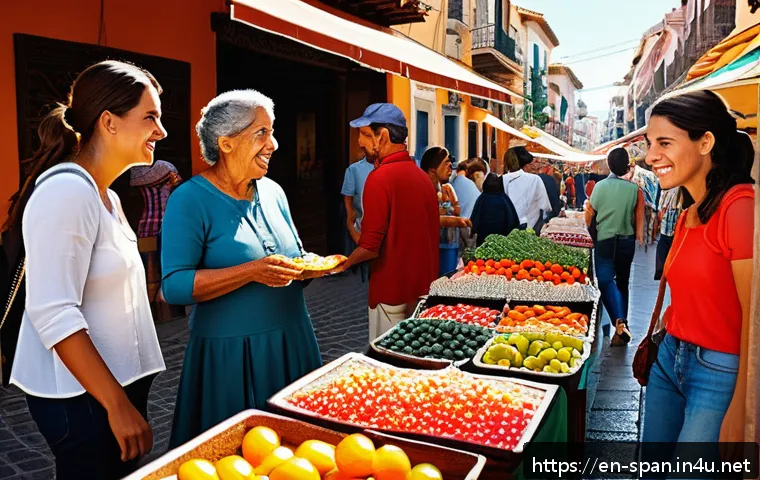
One of the most rewarding aspects of my Spanish journey has been connecting with native speakers in my own city. It started with a simple Google search for “Spanish language exchange [my city]” or “Latin American cultural events [my city].” You’d be surprised how many communities exist right under your nose! I joined a local meetup group that gathers weekly for coffee and conversation, and it’s been incredible. Not only do I get invaluable practice speaking with native speakers, but I’ve also made some truly wonderful friends. There’s something so different about real-world conversations compared to app-based practice; the nuances, the slang, the natural flow – you just can’t replicate that with an algorithm. Don’t be shy; most people are genuinely thrilled when you try to speak their language, even if you stumble a bit. It shows respect and a willingness to connect, and that almost always opens doors to amazing interactions and deeper cultural understanding. My confidence absolutely skyrocketed once I started having these real-life interactions.
Travel Without Leaving Home: Cultural Deep Dives
Who says you need a passport to explore Spanish culture? I’ve found so many ways to “travel” virtually and dive deep into the rich tapestry of Spanish-speaking countries from my living room. For example, I’ve made it a point to watch Spanish-language films and TV shows with subtitles (starting with Spanish subtitles, then eventually trying without!). Netflix and other streaming services are goldmines for this. It’s entertaining, and you pick up so much natural dialogue, common expressions, and cultural references that textbooks just don’t cover. I also love exploring Spanish-language cookbooks and trying to follow recipes. It’s a tangible way to engage with the culture and adds a delicious element to my learning. Learning about famous artists, historical events, or even just popular music from different Spanish-speaking regions all contribute to a richer understanding of the language. The more context you have, the more the language comes alive. It makes the words feel less like abstract concepts and more like living parts of a vibrant culture.
Staying Fired Up: Keeping the Spark Alive

Let’s be honest: learning a language is a marathon, not a sprint. There are going to be days when your motivation dips, when you feel like you’re not making any progress, or when life just gets in the way. I’ve definitely had those moments where I wanted to throw my hands up and just revert to my comfort zone. But what I’ve learned is that it’s not about being motivated 100% of the time; it’s about having strategies in place to reignite that spark and push through the inevitable plateaus. It’s like nurturing a garden – you have to consistently water it, weed it, and sometimes even replant things. The initial burst of enthusiasm is fantastic, but true progress comes from the sustained effort that follows. Building a sustainable routine means actively incorporating ways to keep yourself engaged and reminded of *why* you started this journey in the first place. This self-awareness and proactive approach have been crucial for me in maintaining momentum and avoiding burnout over the long haul.
Setting Realistic Goals (and Celebrating Them!)
One of the biggest pitfalls I fell into early on was setting incredibly ambitious, often vague, goals like “be fluent in six months.” When I didn’t hit that unrealistic target, I felt like a failure. Now, I approach goal-setting very differently. I break down my larger aspirations into small, achievable milestones. Instead of “be fluent,” it’s “have a 5-minute conversation with a native speaker by next month,” or “learn 10 new verbs this week.” And here’s the crucial part: I celebrate every single one of those wins, no matter how small! It could be treating myself to a nice coffee after successfully ordering in Spanish, or just taking a moment to acknowledge how much progress I’ve made on my vocabulary app. These small celebrations create a positive feedback loop that fuels further motivation. It shifts the focus from a distant, daunting finish line to a series of rewarding steps along the way, making the journey feel much more manageable and enjoyable. You’re building confidence brick by brick.
The Buddy
Learning can sometimes feel like a solitary journey, but it doesn’t have to be! I’ve found that having a language learning buddy has been incredibly motivating. It could be a friend also learning Spanish, or even a language exchange partner you connect with online. The key is mutual accountability and shared enthusiasm. Knowing that someone else is counting on you for a practice session, or that you’ll be sharing your progress with them, provides that extra nudge on days when you just don’t feel like it. Plus, it makes the whole process so much more fun! You can practice together, share resources, commiserate over tricky grammar points, and celebrate successes. My language buddy and I often challenge each other with small tasks, like “find five new adjectives by Friday” or “watch a Spanish short film and discuss it.” This turns learning into a collaborative adventure rather than a lonely chore, injecting a much-needed dose of social interaction and friendly competition. It truly makes a difference in sticking with it.
Beyond the Apps: Real-World Practice Makes Perfect
While apps and online resources are absolutely fantastic for building a solid foundation in Spanish, there comes a point where you need to move beyond the digital realm and start putting your skills to the test in actual, unpredictable conversations. I remember feeling a huge leap of confidence the first time I managed a full conversation in Spanish without resorting to English, even if it was just about ordering food. It’s a different kind of learning that happens when you’re trying to communicate in real-time, adapting to different accents, speeds, and unexpected questions. The apps are great for structured learning, but real-world interactions force you to think on your feet, piece together what you know, and really *use* the language. This is where the magic truly happens, transforming passive knowledge into active communication. It can feel intimidating at first, I know, but trust me, the rewards are immense. It makes the language feel alive and gives you a tangible sense of accomplishment that a perfect score on an app just can’t replicate.
Ordering Coffee in Spanish: Small Wins, Big Confidence
One of my absolute favorite ways to practice Spanish in a low-stakes, real-world scenario is by ordering food or drinks in Spanish. It’s a simple interaction, usually predictable, and the stakes are pretty low – the worst that can happen is you get a slightly different coffee than you intended! But successfully navigating that small exchange, from greeting to ordering to thanking, is an incredible confidence booster. I started by just learning a few key phrases: “Hola, me gustaría un café, por favor,” or “Gracias, hasta luego.” Then I slowly expanded it to include asking about ingredients or making specific requests. The positive feedback you get from service staff, who are usually very appreciative of your effort, is incredibly motivating. It’s a tangible victory that shows you can indeed use the language functionally. These small, practical successes build up your courage for bigger conversations and prove to yourself that your hard work is paying off. It really cements the belief that you *can* do this.
Pen Pals and Language Exchange: Connecting Globally
While local interactions are great, the internet also opens up a world of possibilities for connecting with native Spanish speakers through pen pal programs or online language exchanges. I’ve personally used platforms that pair you with someone who wants to learn English, and in exchange, they help you with your Spanish. It’s a brilliant reciprocal arrangement! I’ve had fantastic conversations with people from all over Latin America and Spain, discussing everything from daily life to cultural differences. It’s not just about practicing grammar; it’s about gaining genuine cultural insights and forming connections that you wouldn’t otherwise have. These exchanges often start with text messages, then move to voice notes, and eventually video calls, allowing you to gradually build confidence. The best part? You get to learn from a real person, in a natural setting, often forming friendships that extend far beyond just language practice. It’s like having a friend in every Spanish-speaking country, and they are your personal linguistic and cultural guide. It’s an enriching experience that I highly recommend.
Tracking Your Triumphs: Celebrating Every Small Win
Sometimes, when you’re deep in the weeds of conjugations and vocabulary, it’s easy to lose sight of how far you’ve actually come. I know I’ve definitely felt that “am I even learning anything?” slump. That’s why actively tracking my progress and celebrating even the tiniest victories has become an absolutely non-negotiable part of my Spanish learning routine. It’s not about vanity; it’s about maintaining motivation and providing tangible evidence that your consistent effort is indeed yielding results. We all need those little nudges and affirmations to keep going, especially when the journey feels long. Think of it like a fitness journey – you don’t just step on the scale once at the very end. You track your workouts, your strength, your energy levels, because those small improvements keep you going. The same applies to language learning. Having a system in place to visualize your progress and consciously acknowledge your accomplishments acts as a powerful motivator, helping you push through plateaus and stay excited about what’s next. It truly fuels the desire to keep learning and growing.
Visual Progress Trackers: Seeing How Far You’ve Come
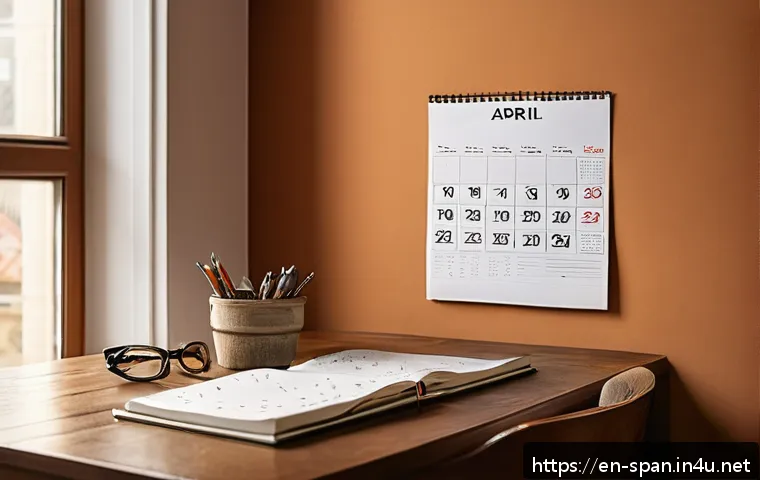
I’m a very visual person, so seeing my progress laid out in front of me is incredibly motivating. I’ve experimented with a few methods, but my current favorite is a simple spreadsheet where I log my daily Spanish activities – whether it’s 15 minutes of an app, watching a Spanish YouTube video, or a 10-minute conversation. I track things like new vocabulary learned, grammar topics reviewed, or minutes spent listening. After a week or a month, I can look back and see a clear pattern of consistent effort, and it’s genuinely inspiring. Sometimes I even use a physical wall calendar and put a sticker on each day I engage with Spanish. It sounds basic, but seeing those stickers accumulate is a huge psychological boost! It’s a tangible representation of your dedication and an undeniable reminder that you are, in fact, showing up and putting in the work. This visual proof combats those moments of doubt and reinforces the belief that your efforts are truly adding up.
| Learning Activity | Benefits for Spanish | Example Tools/Platforms | Daily Time Commitment |
|---|---|---|---|
| Micro-Learning via Apps | Vocabulary building, quick grammar drills, consistent exposure | Duolingo, Memrise, Anki | 5-15 minutes |
| Audio Immersion (Podcasts/Music) | Ear training, natural rhythm, passive vocabulary acquisition | Spotify, Apple Podcasts, News in Slow Spanish | 15-30 minutes (during chores/commute) |
| Video Immersion (YouTube/Netflix) | Contextual learning, cultural insights, visual aids for comprehension | Netflix (Spanish shows/films), Spanish Learning YouTube Channels | 20-45 minutes |
| Conversational Practice | Fluency, confidence building, real-time application of skills | Meetup groups, Language Exchange Apps (e.g., HelloTalk, Tandem), Local Spanish Speakers | 15-60 minutes (several times a week) |
| Reading (Articles/Books) | Expanded vocabulary, advanced grammar structures, comprehension | Online Spanish news, Graded Readers, Short Stories | 10-20 minutes |
Rewarding Yourself (Spanish-Style!)
Beyond just tracking, it’s vital to build in actual rewards for your efforts. And why not make them Spanish-themed? For instance, after hitting a major milestone – maybe successfully holding a 15-minute conversation or completing a challenging grammar module – I might treat myself to a delicious meal at an authentic Spanish or Latin American restaurant. Or perhaps I’ll buy myself a Spanish-language novel I’ve been wanting to read, or splurge on a ticket to a local Flamenco show. These aren’t just arbitrary treats; they’re experiences that further immerse me in the culture and reinforce my love for the language. It creates a positive association between my hard work and enjoyable outcomes. It’s about acknowledging that this journey takes effort and that you deserve to be celebrated for your dedication. It makes the entire process feel less like a chore and more like a fulfilling adventure with built-in perks. So, don’t forget to pat yourself on the back, and maybe enjoy some churros while you’re at it!
Wrapping Up Our Spanish Adventure
Well, we’ve covered a lot of ground today, haven’t we? From shifting our mindset to embracing mistakes, integrating Spanish into our daily lives, and even leveraging some awesome tech, I really hope this deep dive has given you some fresh perspectives and actionable steps for your own language journey. Remember, learning a new language isn’t just about memorizing words and grammar; it’s about connecting with a new culture, opening up new worlds, and discovering a new part of yourself. Don’t be too hard on yourself when things get tough, and always, always celebrate those small victories along the way. Your dedication is truly inspiring, and I’m genuinely excited for all the incredible conversations and experiences that await you.
Handy Tips for Your Learning Toolkit
1. Consistency truly beats intensity every single time; even 10-15 minutes daily makes a huge difference over weeks and months.
2. Actively seek out local Spanish-speaking communities or online language exchange partners for invaluable real-world practice and cultural insights.
3. Don’t shy away from making mistakes; they are absolutely your best teachers and crucial for natural progression.
4. Embrace technology beyond the basic apps; explore niche tools, podcasts, and YouTube channels tailored to your interests for richer immersion.
5. Make sure to track your progress, no matter how small, and reward yourself with Spanish-themed treats to keep that motivation burning bright.
Key Takeaways to Keep in Mind
Ultimately, transforming your Spanish learning journey is less about sheer brute force and more about smart, sustainable strategies and a significant shift in your mental approach. Let go of the pressure to be perfect and instead focus on consistent progress, viewing mistakes as stepping stones rather than setbacks. Effortlessly weave the language into your existing daily routine through micro-learning moments and audio immersion, making it a natural part of your life. Don’t underestimate the power of modern technology, from AI tutors to a wealth of free podcasts and YouTube channels, which can personalize and accelerate your learning like never before. Finally, remember to seek out authentic immersive experiences, whether that’s connecting with local communities or virtually exploring cultures from your living room, and always, always keep that spark alive by setting realistic goals and celebrating every single triumph. This isn’t just about learning Spanish; it’s about building a richer, more connected life, one phrase at a time.
Frequently Asked Questions (FAQ) 📖
Q: How can I genuinely stick with Spanish learning when my motivation seems to vanish after a few weeks?
A: Oh, this is such a common hurdle, and trust me, I’ve absolutely been there! It feels like you’re soaring with enthusiasm at first, and then poof, the spark just deflates, right?
The trick I’ve discovered isn’t about forcing yourself to stay motivated, but rather making the process itself genuinely enjoyable and less reliant on sheer willpower.
Here’s what shifted things for me: instead of viewing Spanish as just another item on my to-do list, I actively started reframing it as a fun, personal discovery.
For instance, I ditched the super dry textbooks for a bit and started watching my favorite Netflix shows with Spanish audio and Spanish subtitles. Or I’d blast upbeat Latin music and really try to decipher the lyrics, turning it into a little detective game.
When you’re engaging with content you actually love, it stops feeling like a chore and starts feeling like a treat. Plus, celebrating those tiny victories – like finally understanding a new phrase in a song or a tricky sentence in a show – gives you those little bursts of dopamine that keep the momentum going strong.
It’s truly about weaving Spanish into your pleasure, not just your productivity.
Q: My schedule is already packed! How can I possibly fit Spanish learning into my super busy daily life without feeling totally overwhelmed?
A: You are preaching to the choir on this one, my friend! Life can get absolutely wild, and the idea of adding “learn Spanish” to an already overflowing plate can feel utterly impossible.
But here’s the cool, liberating part: you don’t need huge, dedicated blocks of time. I used to think I needed an hour every single day, and if I missed it, I’d feel like a total failure, which was a huge mistake!
What’s truly effective are these little, consistent micro-sessions. Think about those “dead times” in your day. Are you commuting?
Pop on a Spanish podcast or an audio lesson. Waiting in line for your coffee? Open a flashcard app for 5 minutes.
Doing dishes? Play a Spanish news broadcast in the background. My personal game-changer was labeling everyday objects around my house with their Spanish names.
Every time I see “mesa” on my dining table or “ventana” on my window, it’s a tiny, effortless reminder and a mini-lesson. It’s about ‘sprinkling’ Spanish throughout your day rather than trying to carve out a massive, intimidating chunk.
These small, consistent interactions add up way faster than you’d imagine, and before you know it, you’re building a subconscious connection with the language without even breaking a sweat.
Q: Beyond apps and textbooks, what are some ‘clever’ ways to make my Spanish learning routine genuinely stick and feel rewarding?
A: Ah, now this is where the real magic happens, my friend! We all know about Duolingo and grammar books, but the genuine secret to making Spanish stick like glue and feel incredibly rewarding lies in creative immersion and human connection.
From my own journey, the biggest breakthroughs came when I stopped viewing Spanish as an academic subject and started treating it as a living, breathing part of my actual world.
One “clever trick” I absolutely swear by is finding a language exchange partner. Talking to a native speaker, even for just 15-20 minutes a week, is an absolute game-changer.
It makes the language real, personal, and suddenly all those seemingly abstract grammar rules click into context. Plus, building friendships in Spanish is profoundly rewarding!
Another thing you can do is consciously change your phone’s language or even your Netflix profile to Spanish. It forces you to interact with the language in a functional way, pushing you just slightly out of your comfort zone in a wonderfully low-stakes environment.
And here’s a fun, slightly quirky one: try to think in Spanish for a few minutes each day. Narrate your actions to yourself, or describe your surroundings in your head.
It might feel a little silly at first, but it powerfully trains your brain to process thoughts in the new language. These aren’t just “tips”; they’re ways to transform your Spanish learning into an exciting, ongoing adventure that you’ll naturally want to continue.