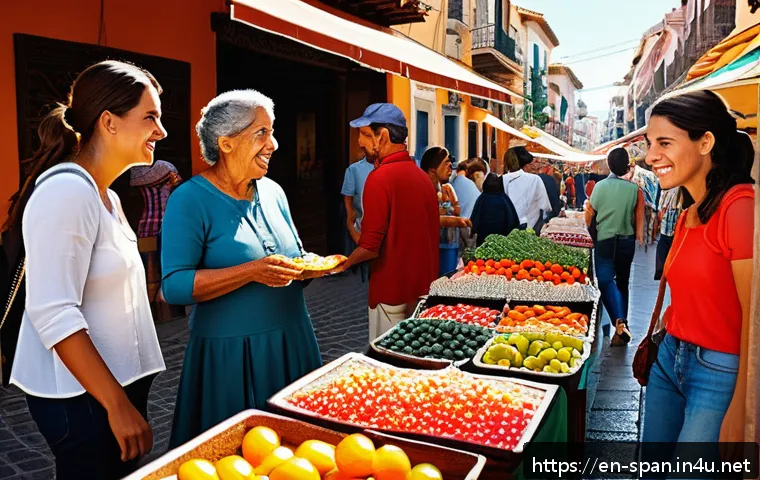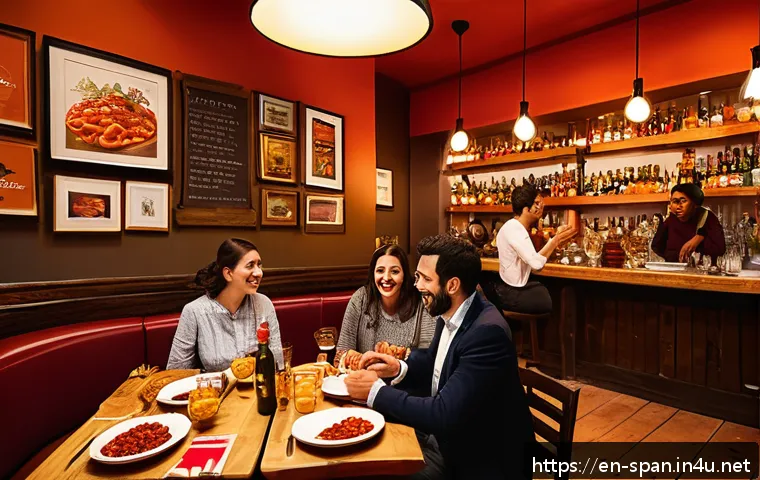
Navigating a new culture often starts with one simple act: ordering food. As travel bounces back and Spanish-speaking destinations regain their buzz, knowing the right phrases can transform your dining experience from awkward to authentic.
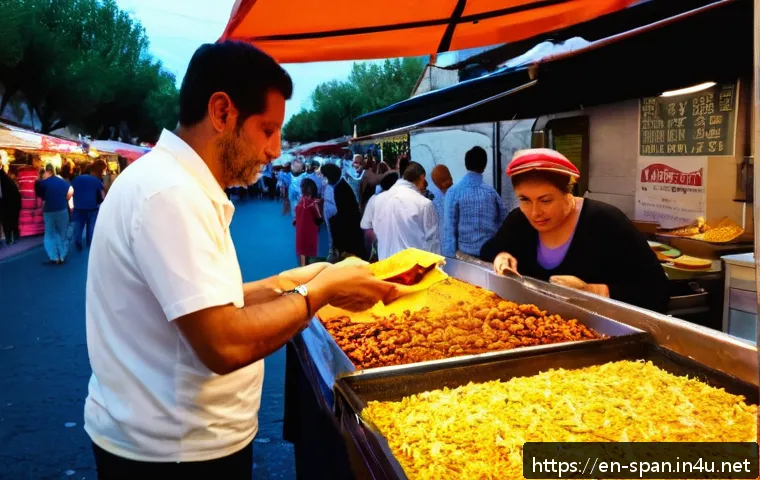
Whether you’re craving tapas in Barcelona or savoring street food in Mexico City, mastering local food ordering expressions not only bridges language gaps but opens doors to genuine connections.
In this post, I’ll share practical tips and must-know phrases that helped me dine like a local, turning every meal into an adventure worth savoring. Get ready to impress waitstaff and dive deeper into the vibrant flavors of Spanish cuisine with confidence!
Essential Expressions to Start Your Order Smoothly
Greeting and Getting Attention
When you step into a bustling Spanish eatery, the first impression matters. Saying a simple “Hola” or “Buenas tardes” with a smile often works wonders.
If the waiter is busy, try “Disculpe” to politely catch their attention without sounding rushed or impatient. From my own experience, I’ve noticed that locals appreciate the effort, no matter your accent.
Adding “¿Me puede ayudar, por favor?” (Can you help me, please?) sets a friendly tone and makes the interaction feel more personal, which can lead to better service.
Asking for Recommendations
Sometimes menus can be overwhelming, especially when you’re unfamiliar with regional dishes. Using “¿Qué me recomienda?” (What do you recommend?) invites the server to share their favorites and can lead to discovering hidden gems.
I found that waitstaff often love sharing stories behind dishes when asked this way—it’s a great way to connect beyond just ordering food. To sound even more engaged, follow up with “¿Es picante?” (Is it spicy?) or “¿Es típico de aquí?” (Is it typical here?), which shows genuine curiosity.
Clarifying the Menu
Not every dish name translates directly or clearly, so don’t hesitate to ask for clarification. Phrases like “¿Qué lleva este plato?” (What does this dish contain?) or “¿Cómo se prepara?” (How is it prepared?) helped me avoid surprises, like too much chili or unexpected ingredients.
If you have dietary restrictions, learning how to say “Soy alérgico a…” (I am allergic to…) or “No como…” (I don’t eat…) can be a lifesaver. This way, you avoid awkward moments and ensure the meal suits your needs.
Mastering Polite Ordering Techniques
Using Conditional Phrases for Politeness
A key to sounding respectful and approachable is using conditional phrases like “Quisiera” or “Me gustaría,” both meaning “I would like.” For instance, “Quisiera una paella, por favor” feels much warmer than a blunt “Dame paella.” In my travels, I noticed this subtle difference often influenced how attentive the service was.
When ordering drinks or extras, adding “por favor” (please) consistently shows good manners and helps create a positive vibe.
Expressing Preferences and Modifications
Sometimes you want to tweak a dish to your liking. Learning how to say “Sin cebolla, por favor” (Without onion, please) or “Con un poco más de salsa” (With a little more sauce) is crucial.
I found that servers appreciate clear, polite requests and usually accommodate them happily. If you’re not sure how to phrase a specific modification, starting with “¿Es posible…” (Is it possible…) makes your request sound less demanding.
Confirming Your Order
Before the waiter leaves, it’s helpful to confirm your order to avoid mix-ups. Saying “¿Está correcto mi pedido?” (Is my order correct?) or repeating your choices aloud can prevent surprises.
I personally make a habit of this, especially when ordering multiple items. This small check-in adds confidence and shows respect for the server’s work, often resulting in smoother service.
Understanding Local Menu Vocabulary
Common Dish Names and Ingredients
Spanish menus often feature words like “tortilla,” which can mean an omelet rather than the corn or flour flatbread familiar to many English speakers.
Knowing these nuances prevents confusion. Also, terms like “jamón” (ham), “chorizo” (spicy sausage), or “pescado” (fish) are staples you’ll encounter frequently.
I made flashcards with these words before my trip, which made ordering much easier and more enjoyable.
Decoding Course Structure
Menus typically divide dishes into “entrantes” (appetizers), “platos principales” (main courses), and “postres” (desserts). Recognizing these sections helps you pace your meal better and order accordingly.
In many places, tapas are small plates meant to be shared or ordered as a light meal. When in doubt, ask “¿Qué es esto?” (What is this?)—waitstaff are usually happy to explain.
Helpful Menu Terms Table
| Spanish Term | English Meaning | Usage Tip |
|---|---|---|
| Entrantes | Starters/Appetizers | Great to try multiple small dishes |
| Platos principales | Main courses | Usually larger portions |
| Postres | Desserts | Save room for something sweet! |
| Sin | Without | Use to exclude ingredients |
| Con | With | Specify additions or preferences |
| Por favor | Please | Always polite to add |
Handling Payment and Farewells Like a Pro
Asking for the Bill
When you’re ready to leave, “La cuenta, por favor” is the standard way to ask for the check. In busy spots, you might need to catch the waiter’s eye first with a polite “Disculpe.” I learned that in some regions, servers don’t automatically bring the bill, so proactively requesting it avoids any awkward lingering.
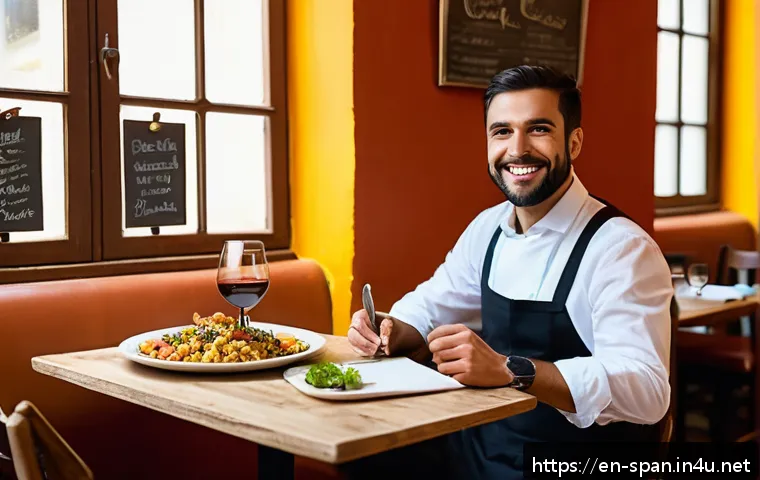
Adding a “Muchas gracias” (Thank you very much) when receiving the bill goes a long way in showing appreciation.
Splitting the Bill
If you’re dining with friends, knowing how to ask for separate checks can be tricky. Use “¿Podemos pagar por separado?” (Can we pay separately?) or “Cada uno paga lo suyo” (Each one pays for their own) to make your intentions clear.
I found that restaurants in tourist areas are usually accustomed to this, but in smaller local places, it’s good to confirm politely to avoid confusion.
Expressing Gratitude
Leaving on a positive note is part of the local dining culture. Saying “Gracias, estuvo delicioso” (Thank you, it was delicious) not only feels good but often sparks a smile or a friendly farewell from the staff.
Adding “Hasta luego” (See you later) or “Buen día” (Have a good day) rounds out the experience with warmth, making you feel more like a welcomed guest than just a tourist.
Tips for Navigating Street Food and Markets
Quick Ordering Phrases for Busy Stalls
Street vendors often operate quickly, so having simple, clear phrases ready helps. “Quisiera uno de estos, por favor” (I would like one of these, please) paired with a pointing gesture works wonders.
I found that vendors appreciate when you try a little Spanish, even if imperfect. Adding “¿Cuánto cuesta?” (How much does it cost?) is also handy to avoid surprises.
Handling Payment and Change
Cash is king at many street food spots, so always have small bills and coins. Saying “¿Me puede dar cambio?” (Can you give me change?) is crucial to avoid awkward moments.
I’ve learned the hard way that some vendors might not carry much change, so being prepared helps keep transactions smooth and friendly.
Trying Local Snacks with Confidence
When sampling unfamiliar foods, asking “¿Está fresco?” (Is it fresh?) or “¿Es picante?” (Is it spicy?) helps set expectations. I remember nervously trying tacos al pastor for the first time; asking these questions helped me enjoy the dish without surprises.
Embracing the local flavors with a curious attitude often leads to the best memories.
In Conclusion
Mastering essential Spanish expressions can transform your dining experience from stressful to enjoyable. With a little practice, you’ll navigate menus, communicate your preferences, and connect warmly with locals. These simple phrases not only help you order smoothly but also show respect for the culture. Embrace the learning process—it makes every meal more memorable and rewarding.
Helpful Tips to Remember
1. Always greet the staff politely; a friendly “Hola” goes a long way in setting a positive tone.
2. Don’t hesitate to ask for recommendations or clarifications to avoid surprises and discover local favorites.
3. Use conditional phrases like “Quisiera” to sound courteous and increase the chances of attentive service.
4. Prepare some key vocabulary related to dishes and ingredients to boost your confidence when ordering.
5. When paying, be proactive in asking for the bill and expressing gratitude to leave a good impression.
Key Takeaways for Smooth Dining
Understanding basic Spanish ordering phrases is essential for a pleasant dining experience. Being polite and clear in your communication helps prevent misunderstandings and shows respect for the culture. Familiarizing yourself with common menu terms and local customs can make your meal more enjoyable and stress-free. Remember to confirm your order and express thanks—it creates a friendly atmosphere and often leads to better service. Lastly, adapting to local payment practices ensures a hassle-free end to your dining adventure.
Frequently Asked Questions (FAQ) 📖
Q: What are some essential Spanish phrases to order food confidently in restaurants?
A: To order food smoothly, start with polite greetings like “Buenos días” (Good morning) or “Buenas tardes” (Good afternoon). When ready, say “Quisiera…” (I would like…) followed by your dish, such as “Quisiera una tapa de jamón, por favor” (I would like a ham tapa, please).
Asking for recommendations? Try “¿Qué me recomienda?” (What do you recommend?). Don’t forget to say “Gracias” (Thank you) to show appreciation.
Using these simple phrases made me feel more connected and respected by the staff during my visits.
Q: How can I handle special dietary requests or allergies when ordering in Spanish-speaking countries?
A: It’s important to communicate clearly about allergies or preferences. You can say, “Soy alérgico/a a…” (I am allergic to…) followed by the ingredient, like “los mariscos” (seafood).
For vegetarian options, say “¿Tienen opciones vegetarianas?” (Do you have vegetarian options?). In my experience, being upfront with these phrases helped avoid misunderstandings and ensured a safer meal.
Most servers appreciate the clarity and will often suggest suitable dishes.
Q: What should I do if I don’t understand the menu or the server’s explanation?
A: It’s perfectly okay to ask for help! You can say, “No entiendo el menú, ¿puede ayudarme?” (I don’t understand the menu, can you help me?). If you want a simpler explanation, try “¿Puede explicarlo de forma sencilla?” (Can you explain it simply?).
I found that servers are usually very patient and happy to describe dishes or recommend popular items. Sometimes pointing at pictures or dishes others are eating also works wonders!