Travelers today face a world that’s more connected than ever, yet navigating foreign languages can still feel intimidating. With Spanish being the second most spoken language globally, mastering a handful of essential phrases can transform your trip from stressful to seamless.
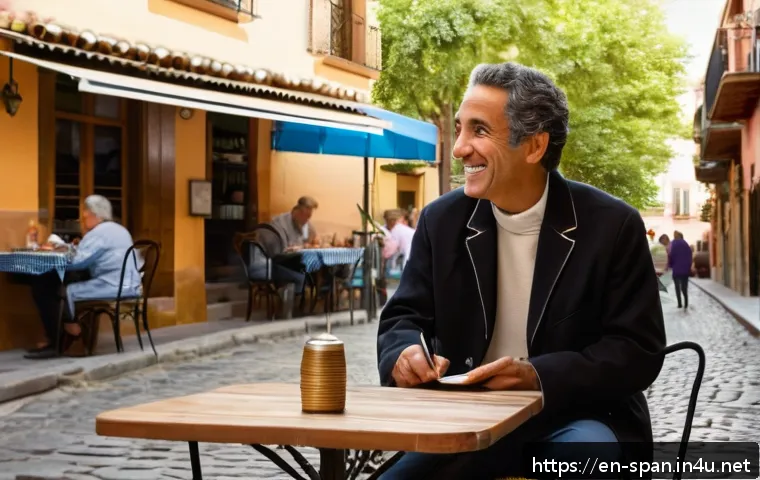
Whether you’re ordering tapas in Madrid or asking for directions in Mexico City, these key expressions open doors to authentic experiences and local warmth.
I’ve found that even simple greetings and questions spark smiles and friendships on the road. Ready to boost your confidence and dive into your next adventure?
Let’s explore the must-know Spanish travel phrases that will make every journey smoother and more memorable.
Essential Greetings and Polite Expressions to Break the Ice
Simple Greetings That Open Doors
When you arrive in a new Spanish-speaking city, starting with a warm greeting instantly creates a positive vibe. Words like “Hola” (Hello) or “Buenos días” (Good morning) are your first step to connecting with locals.
From my personal experience, even a friendly “Buenas tardes” (Good afternoon) at a café can earn you a smile and prompt service. These simple words aren’t just polite; they signal respect and interest in the culture, which locals appreciate deeply.
Plus, they’re easy to remember and use anytime you enter a shop, restaurant, or just pass someone on the street.
Politeness Goes a Long Way
Adding “por favor” (please) and “gracias” (thank you) to your sentences transforms a basic request into a courteous interaction. I’ve noticed that using these words often leads to more helpful and patient responses, especially when asking for directions or assistance.
Also, expressions like “disculpe” (excuse me) or “perdón” (sorry) are invaluable when navigating crowded places or accidentally bumping into someone. They show humility and friendliness, which can turn a potentially awkward moment into a brief, pleasant exchange.
How to Introduce Yourself Smoothly
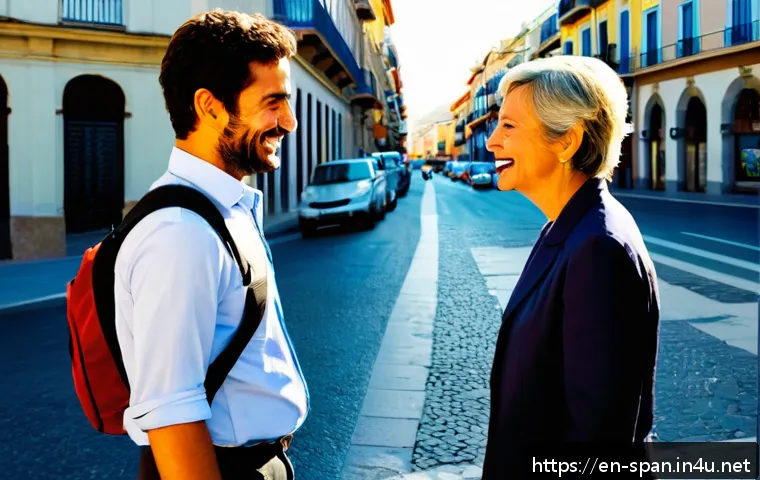
Introducing yourself in Spanish can feel intimidating, but it’s surprisingly straightforward and rewarding. Phrases like “Me llamo…” (My name is…) or “Soy de…” (I’m from…) invite conversation and often prompt locals to share about themselves.
When I travel, I find that revealing a little about myself encourages warmth and sometimes even spontaneous invitations to local events or meals. It’s a small step that can make your trip feel more personal and immersive.
Mastering Directions and Getting Around with Confidence
Asking for Directions Clearly
Navigating unfamiliar streets is a top concern for travelers, and knowing how to ask for directions confidently can save you time and stress. Phrases like “¿Dónde está…?” (Where is…?) followed by the place name, or “¿Cómo llego a…?” (How do I get to…?) are essential.
When I used these during my visits to Barcelona and Buenos Aires, locals appreciated my effort to speak Spanish, often going out of their way to guide me or even walk part of the way.
To sound more natural, try adding “por favor” at the end, which softens the request.
Understanding Common Directional Responses
Learning to recognize directional words helps you follow instructions without confusion. Words like “a la derecha” (to the right), “a la izquierda” (to the left), “recto” or “todo recto” (straight ahead), and “cerca” (near) will come up frequently.
I recommend practicing these in advance or even noting them on a small card. During one trip, I was pleasantly surprised when a local gave me very detailed directions, mixing these words with landmarks, which made finding my destination much easier than relying on maps alone.
Using Public Transport Vocabulary
Public transport is often the fastest way to explore, and knowing key terms can make buying tickets and boarding less daunting. Words like “autobús” (bus), “metro” (subway), “billete” (ticket), and “parada” (stop) are your best friends here.
I’ve found that asking “¿Dónde está la parada de metro más cercana?” (Where is the nearest subway stop?) opens up quick, helpful exchanges. Also, phrases like “¿Cuánto cuesta el billete?” (How much is the ticket?) prevent surprises at the counter, helping you budget more effectively.
Dining Out: Navigating Menus and Ordering Like a Local
Essential Phrases for Ordering Food and Drinks
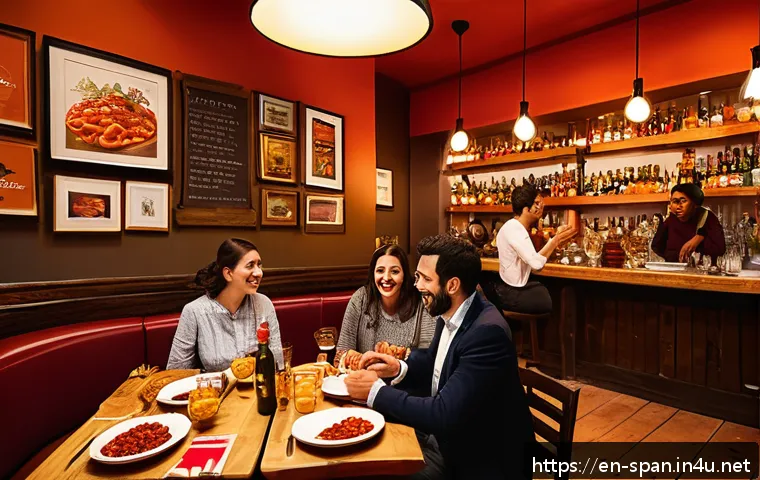
Ordering food in Spanish can be one of the most enjoyable parts of travel, especially when you know how to express your preferences clearly. Phrases like “Quisiera…” or “Me gustaría…” (I would like…) help you politely order dishes or drinks.
I remember once in Seville, saying “Quisiera una tapa de jamón, por favor,” and the waiter’s eyes lit up. It felt like an invitation to try authentic local flavors.
Don’t hesitate to ask for recommendations with “¿Qué me recomienda?” to discover hidden gems.
Handling Dietary Restrictions and Preferences
If you have dietary needs, knowing how to communicate them is crucial. Expressions like “Soy alérgico/a a…” (I’m allergic to…) or “No como…” (I don’t eat…) can prevent unpleasant surprises.
In my travels, I always carry a small card explaining my food restrictions in Spanish, which has been a lifesaver in busy markets or small eateries. Being upfront and polite about your needs ensures you enjoy your meals safely and fully.
Understanding the Menu and Local Specialties
Menus in Spanish can sometimes be overwhelming, but picking up key food terms helps. Words like “entrante” (starter), “plato principal” (main dish), and “postre” (dessert) organize your meal mentally.
I often look for “especialidad de la casa” (house specialty) to try something unique to the region. Knowing these terms makes dining more interactive and fun, especially when paired with a little curiosity about local ingredients and cooking styles.
Shopping and Bargaining with Ease
Starting a Conversation in Markets
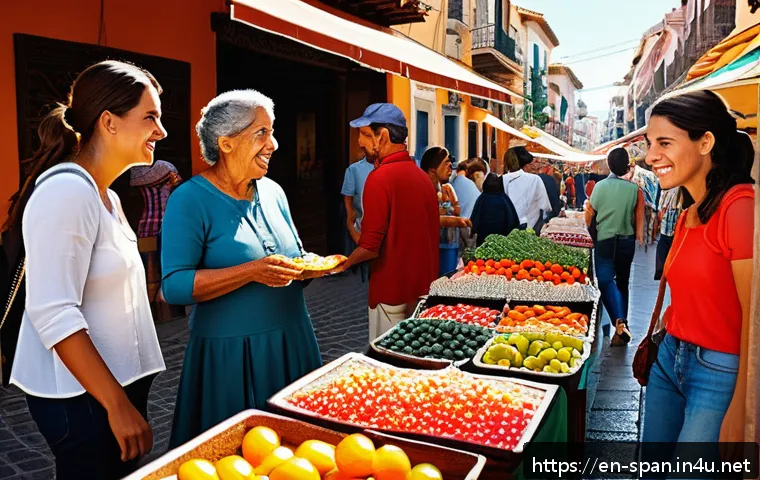
Markets are vibrant spots to experience culture firsthand, and starting with a friendly “¿Cuánto cuesta?” (How much does it cost?) often sparks lively chats.
I’ve found that a smile and a simple “Estoy solo mirando, gracias” (I’m just looking, thank you) can prevent any pressure to buy while keeping the mood light.
Vendors often appreciate when you try speaking Spanish, even if just a few words.
Polite Bargaining Techniques
In many Spanish-speaking countries, bargaining is common, especially in local markets or souvenir shops. Phrases like “¿Me puede dar un descuento?” (Can you give me a discount?) or “¿Es el precio final?” (Is this the final price?) are useful.
From experience, pairing these with a genuine compliment about the item or the seller’s skills softens negotiations. Remember, bargaining is a social dance — it’s as much about respect and rapport as the price.
Expressing Preferences and Sizes
When shopping for clothes or souvenirs, knowing how to express size and preferences helps avoid confusion. Words like “grande” (large), “mediano” (medium), and “pequeño” (small) are basic but essential.
I once had a funny moment mixing these up, but locals chuckled and helped me find the right fit. Don’t hesitate to ask “¿Tiene otro color/talla?” (Do you have another color/size?) to explore options comfortably.
Emergency Phrases That Could Save the Day
Communicating Urgency Calmly
Emergencies are stressful, but having a few key phrases ready can make a huge difference. Expressions like “Necesito ayuda” (I need help), “¿Dónde está el hospital?” (Where is the hospital?), or “He perdido mi pasaporte” (I have lost my passport) are vital.
I remember feeling relieved when I could clearly explain a minor injury with “Me duele aquí” (It hurts here) during a trip to Costa Rica. Staying calm and clear is key.
Asking for Police or Medical Assistance
Knowing how to reach out to authorities is crucial. Phrases such as “Llame a la policía” (Call the police) or “Necesito un médico” (I need a doctor) can be lifesavers.
I once witnessed a fellow traveler use “¿Puede ayudarme?” (Can you help me?) effectively when their wallet was stolen, leading to quick assistance. It’s empowering to have these phrases at your fingertips, even if you hope never to use them.
Understanding Basic Emergency Vocabulary
Words like “emergencia” (emergency), “accidente” (accident), “dolor” (pain), and “pérdida” (loss) help you understand questions or instructions during a crisis.
In my travels, keeping a note of these words and practicing pronunciation helped me stay composed when explaining situations to medical staff or police officers.
It’s a small preparation that pays off in peace of mind.
Everyday Small Talk and Making Connections
Starting Casual Conversations
Breaking the ice beyond greetings often involves small talk about the weather, local events, or daily life. Phrases like “¿Hace buen tiempo hoy?” (Is the weather nice today?) or “¿Qué tal?” (How are you?) can start friendly chats.
I found that locals often appreciate the effort and respond warmly, sometimes inviting me to join local celebrations or gatherings.
Sharing Your Travel Stories
When you meet fellow travelers or locals, being able to share where you’re from and what you’ve seen enhances interactions. Saying “Estoy visitando desde…” (I’m visiting from…) or “Me encanta esta ciudad porque…” (I love this city because…) invites others to relate or offer tips.
I’ve had memorable moments exchanging stories over coffee just by opening up with these phrases.
Inviting Locals to Share Their Favorites
Showing interest in local culture deepens connections. Ask “¿Cuál es tu lugar favorito aquí?” (What’s your favorite place here?) or “¿Qué me recomiendas hacer?” (What do you recommend I do?).
In my experience, these questions often lead to discovering hidden gems off the tourist path and sometimes new friendships that last beyond the trip.
| Phrase | Meaning | Usage Example |
|---|---|---|
| Hola | Hello | Use as a friendly greeting when entering a shop or meeting someone. |
| ¿Dónde está…? | Where is…? | Ask for directions to places like museums, restaurants, or hotels. |
| Por favor / Gracias | Please / Thank you | Add to any request or response to be polite and respectful. |
| Quisiera… | I would like… | Use when ordering food or drinks in a restaurant. |
| ¿Cuánto cuesta? | How much does it cost? | Essential when shopping or negotiating prices. |
| Necesito ayuda | I need help | Use in emergencies to get assistance quickly. |
| ¿Qué me recomienda? | What do you recommend? | Ask locals for suggestions on food, sights, or activities. |
Conclusion
Mastering essential Spanish phrases opens the door to richer travel experiences and deeper connections with locals. Using polite expressions and practical vocabulary not only makes daily interactions smoother but also shows respect for the culture. With a little practice, you’ll navigate cities, order meals, and handle emergencies confidently. Embrace these tools to turn your trip into a memorable adventure filled with warmth and friendliness.
Helpful Tips to Remember
1. Always start conversations with a warm greeting like “Hola” or “Buenos días” to set a positive tone.
2. Incorporate polite words such as “por favor” and “gracias” to show respect and encourage helpfulness.
3. Practice directional phrases and public transport vocabulary before your trip to move around with ease.
4. When dining out, use polite ordering phrases and be clear about any dietary restrictions to enjoy local cuisine safely.
5. Keep emergency phrases handy to communicate effectively in unexpected situations and stay calm.
Key Takeaways
Learning and using basic Spanish greetings and polite expressions can greatly enhance your travel experience by fostering goodwill and friendliness. Being prepared with essential phrases for directions, dining, shopping, and emergencies empowers you to navigate unfamiliar environments confidently. Remember that genuine effort in speaking the local language often leads to warmer interactions and unexpected opportunities. Practice these phrases regularly and carry a small reference to boost your confidence on the go.
Frequently Asked Questions (FAQ) 📖
Q: uestionsQ1: What are the most essential Spanish phrases I should learn before traveling?
A: If you want to get started quickly, focus on greetings like “Hola” (Hello), “Por favor” (Please), and “Gracias” (Thank you). Also, basic questions such as “¿Dónde está…?” (Where is…?), “¿Cuánto cuesta?” (How much does it cost?), and “¿Habla inglés?” (Do you speak English?) are incredibly useful.
From my experience, knowing these simple phrases makes a huge difference in daily interactions and helps locals see that you’re making an effort, which often leads to friendlier responses.
Q: How can I improve my Spanish pronunciation to sound more natural?
A: Pronunciation can feel tricky at first, but I found that listening to native speakers through podcasts or music really helps. Try repeating phrases out loud right after you hear them to mimic the rhythm and intonation.
Don’t worry about being perfect; locals usually appreciate any attempt to speak their language. Also, focus on rolling your “r”s and pronouncing vowels clearly—these small adjustments go a long way toward sounding more natural.
Q: Will using basic Spanish phrases really enhance my travel experience?
A: Absolutely! In my travels, even a simple “Buenos días” (Good morning) or “¿Me puede ayudar?” (Can you help me?) has sparked warm conversations and opened doors to genuine local experiences.
It shows respect for the culture and often leads to helpful tips or invitations that you wouldn’t get otherwise. Plus, it boosts your confidence and makes navigating new places much less stressful.
Trust me, the effort is always worth it!