With the rise of global travel and remote work, handling banking transactions in Spanish-speaking countries has become more relevant than ever. Whether you’re opening an account, transferring money, or simply withdrawing cash, knowing the right phrases can save you time and avoid confusion.
Recently, many travelers have shared how mastering these essential expressions made their financial interactions smoother and more confident. If you’re planning a trip or settling abroad, getting comfortable with Spanish banking vocabulary is a smart move.
Let’s dive into the key phrases that will help you navigate your next transaction like a local, ensuring a stress-free experience every step of the way.
Mastering Basic Banking Interactions with Confidence
Opening an Account Without the Headache
When you arrive in a Spanish-speaking country, opening a bank account often feels like jumping through endless hoops, especially if your Spanish isn’t perfect.
From my own experience, knowing how to ask simple questions like “¿Qué documentos necesito para abrir una cuenta?” (What documents do I need to open an account?) saved me a ton of time and frustration.
Banks usually require your passport (pasaporte), proof of address (comprobante de domicilio), and sometimes a local tax ID number (Número de Identificación Fiscal).
Being able to clearly state your intentions, such as “Quisiera abrir una cuenta de ahorros” (I would like to open a savings account), helped the bank staff guide me through the process smoothly.
Trust me, sounding confident and prepared can change the entire vibe of the interaction.
Understanding Account Types and Services
Not all bank accounts are created equal, and the terminology can be tricky. I found that asking “¿Cuáles son las diferencias entre una cuenta corriente y una cuenta de ahorros?” (What are the differences between a checking and a savings account?) gave me clarity on which account suited my needs better.
Often, checking accounts (cuenta corriente) offer easier access to funds and debit cards, while savings accounts (cuenta de ahorros) might have better interest rates but limited withdrawals.
Also, phrases like “¿Qué comisiones tiene esta cuenta?” (What fees does this account have?) are essential because many banks have hidden charges that can catch you off guard.
Knowing these phrases upfront helped me avoid surprises on my bank statements.
Key Vocabulary for Everyday Transactions
Simple transactions like deposits (depósitos), withdrawals (retiros), or transfers (transferencias) become much easier when you can confidently say the right phrase.
For example, “Quisiera hacer un retiro de 100 dólares” (I would like to withdraw 100 dollars) or “Necesito transferir dinero a esta cuenta” (I need to transfer money to this account) made my visits to the teller quick and efficient.
If you ever get stuck, asking “¿Puede repetir, por favor?” (Can you repeat, please?) or “¿Puede hablar más despacio?” (Can you speak more slowly?) is a polite way to keep the conversation flowing without stress.
Handling Digital Banking and ATMs Smoothly
Using ATMs Like a Pro
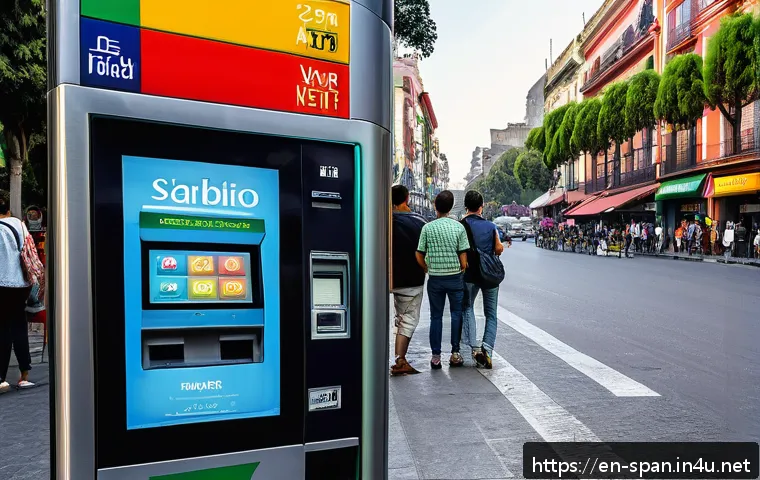
ATMs can be intimidating abroad, but they usually follow a similar interface worldwide. Learning phrases like “¿Dónde está el cajero automático más cercano?” (Where is the nearest ATM?) saved me from wandering aimlessly in unfamiliar neighborhoods.
Once at the machine, knowing how to select “Retiro” (Withdrawal), “Consulta de saldo” (Balance inquiry), or “Cambio de idioma” (Change language) proved invaluable.
I once accidentally withdrew money in the local currency when I intended dollars, so double-checking options like “¿En qué moneda desea retirar?” (In which currency would you like to withdraw?) is a must.
Keep in mind, some ATMs charge extra fees, so asking “¿Cuánto es la comisión por este retiro?” (How much is the fee for this withdrawal?) can help you avoid unpleasant surprises.
Managing Mobile and Online Banking
Mobile banking apps are a lifesaver, especially when you’re juggling travel and work. Phrases like “¿Cómo puedo descargar la aplicación bancaria?” (How can I download the banking app?) and “¿Es seguro usar la banca en línea aquí?” (Is it safe to use online banking here?) helped me feel more secure when managing my money remotely.
Many banks have two-factor authentication, so it’s helpful to know “¿Cómo activo la verificación en dos pasos?” (How do I activate two-step verification?).
I recommend setting up alerts for transactions by asking “¿Puedo recibir notificaciones por mensaje de texto?” (Can I receive notifications by text message?).
This way, you stay informed and reduce the risk of fraud.
Communicating About Currency Exchange and Transfers
Getting the Best Exchange Rates
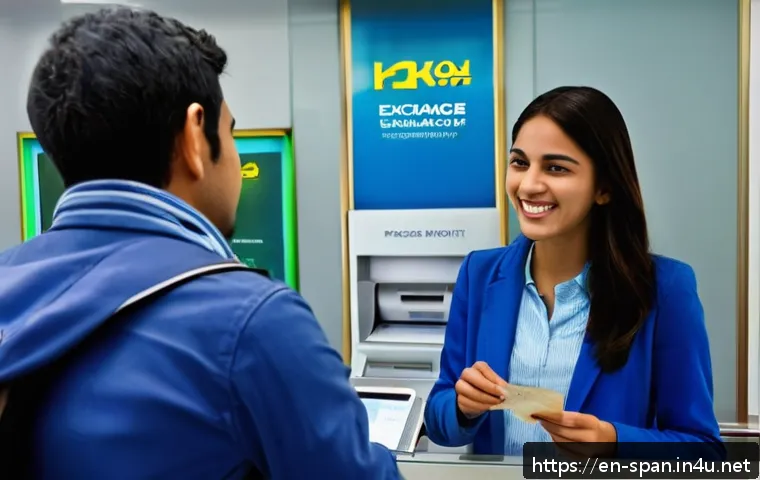
Currency exchange can be tricky, especially with fluctuating rates and hidden fees. Asking “¿Cuál es la tasa de cambio actual?” (What is the current exchange rate?) is the first step.
I learned that sometimes banks offer better rates than airport kiosks, but it varies. Another useful phrase is “¿Hay alguna comisión por cambiar dinero?” (Is there a fee for exchanging money?), which helped me avoid losing extra cash.
When exchanging large amounts, it’s smart to ask “¿Puedo reservar una tasa de cambio?” (Can I lock in an exchange rate?), which some banks allow to protect you from sudden fluctuations.
Making International Transfers Effortlessly
Transferring money internationally can feel daunting, but key phrases make it easier. For instance, “Quisiera enviar una transferencia internacional” (I would like to send an international transfer) signals your intent clearly.
Banks will often ask for details like the recipient’s IBAN or SWIFT code, so being ready with “¿Cuál es el código SWIFT del banco receptor?” (What is the receiving bank’s SWIFT code?) helps speed up the process.
Fees can vary widely, so inquire with “¿Cuánto cuesta esta transferencia?” (How much does this transfer cost?). I found that confirming the expected delivery time with “¿Cuánto tiempo tarda la transferencia en llegar?” (How long does the transfer take?) helped manage expectations and reduce anxiety.
Essential Questions and Requests to Keep Handy
Clarifying Fees and Limits
One of the most common sources of confusion is fees and transaction limits. Phrases like “¿Cuáles son los límites diarios para retiros?” (What are the daily withdrawal limits?) and “¿Hay cargos por usar mi tarjeta en el extranjero?” (Are there charges for using my card abroad?) helped me avoid unexpected restrictions.

If you’re unsure about any policy, politely asking “¿Puede explicarme eso con más detalle?” (Can you explain that in more detail?) encouraged staff to be more thorough.
Requesting Assistance Politely
Sometimes, you just need a little extra help. Phrases such as “¿Puede ayudarme con esta transacción?” (Can you help me with this transaction?) or “Estoy aprendiendo español, ¿puede hablar más despacio?” (I’m learning Spanish, can you speak more slowly?) made interactions friendlier and smoother.
I noticed that showing a willingness to learn often made bank employees more patient and willing to guide me step-by-step.
Useful Banking Vocabulary at a Glance
| English | Spanish | Usage Example |
|---|---|---|
| Account | Cuenta | Quisiera abrir una cuenta. |
| Deposit | Depósito | Voy a hacer un depósito. |
| Withdrawal | Retiro | Necesito hacer un retiro. |
| Transfer | Transferencia | Quiero hacer una transferencia. |
| Balance | Saldo | ¿Cuál es mi saldo? |
| Fee | Comisión | ¿Cuánto es la comisión? |
| PIN | Clave PIN | ¿Dónde ingreso mi clave PIN? |
| Bank statement | Estado de cuenta | Solicito un estado de cuenta. |
| Exchange rate | Tasa de cambio | ¿Cuál es la tasa de cambio hoy? |
| Online banking | Banca en línea | Uso la banca en línea para pagar facturas. |
Tips for Staying Safe and Avoiding Scams
Recognizing Common Banking Scams
While banking abroad, I quickly learned to watch out for common scams. One tip is to never share your PIN (clave PIN) or passwords over the phone or email.
Phrases like “Nunca comparta su clave PIN” (Never share your PIN) became my internal mantra. Also, when someone approaches you offering “ayuda” (help) at ATMs, politely decline with “Gracias, pero puedo hacerlo solo” (Thanks, but I can do it myself).
Being vigilant and trusting your instincts can prevent unpleasant situations.
Keeping Your Information Secure
Always ask about security measures, for example, “¿Qué medidas de seguridad tiene mi cuenta?” (What security measures does my account have?). Using strong passwords and enabling alerts (“activar alertas”) for transactions helped me catch unauthorized activity early.
If something feels off, don’t hesitate to say “Quisiera hablar con un supervisor” (I would like to speak with a supervisor) to get additional help.
Building a Relationship with Your Local Bank
Engaging with Bank Staff for Better Service
I noticed that when I made an effort to speak Spanish and be polite, bank employees became more helpful and patient. Simple greetings like “Buenos días” and “Muchas gracias por su ayuda” go a long way.
Over time, this rapport made complicated transactions feel less intimidating.
Asking About Perks and Benefits
Sometimes banks offer perks like travel insurance, cashback, or discounts. Asking “¿Qué beneficios ofrece esta cuenta?” (What benefits does this account offer?) uncovered some pleasant surprises during my stay.
Knowing your options helped me choose services that matched my lifestyle abroad.
Scheduling Appointments When Needed
If you anticipate complex banking needs, ask “¿Puedo agendar una cita con un asesor?” (Can I schedule an appointment with an advisor?). This saved me from long waits and ensured I got personalized help for things like mortgage advice or business accounts.
With these practical phrases and insights, navigating banking in Spanish-speaking countries becomes far less intimidating. Armed with this knowledge, you’ll feel more in control, ready to manage your finances like a local, and enjoy your travels or life abroad with one less worry on your mind.
In Conclusion
Mastering basic banking interactions in a Spanish-speaking country doesn’t have to be stressful. With the right phrases and a little preparation, you can navigate opening accounts, managing transactions, and using digital banking with ease. From my personal experience, confidence and clear communication make all the difference. Embrace these tips to handle your finances smoothly and enjoy your time abroad without banking worries.
Helpful Tips to Remember
1. Always carry your essential documents like passport and proof of address when visiting a bank to avoid delays.
2. Don’t hesitate to ask about fees and account limits upfront to prevent surprises on your statements.
3. Use polite phrases to request clarification or slower speech; it fosters better communication and patience from bank staff.
4. Set up mobile banking alerts and two-factor authentication to protect your accounts from fraud.
5. Build a good relationship with your local bank by greeting staff and asking about perks or scheduling appointments for complex needs.
Key Takeaways
Understanding and confidently using basic banking vocabulary and questions can dramatically improve your experience in a foreign banking environment. Being proactive about security, fees, and services protects your money and peace of mind. Politeness and preparedness open doors to better service and smoother transactions. Remember, each interaction is an opportunity to learn and build trust with your local bank, making your financial management abroad easier and more secure.
Frequently Asked Questions (FAQ) 📖
Q: What are the essential Spanish phrases I should know when opening a bank account abroad?
A: When opening a bank account in a Spanish-speaking country, it’s helpful to know phrases like “Quisiera abrir una cuenta bancaria” (I would like to open a bank account), “¿Qué documentos necesito?” (What documents do I need?), and “¿Cuáles son las comisiones y tarifas?” (What are the fees and charges?).
Asking about “la tasa de interés” (interest rate) and “el saldo mínimo” (minimum balance) can also save you surprises later on. From my experience, having these phrases ready made the process smoother, especially when bank staff appreciated the effort to communicate in Spanish.
Q: How can I safely transfer money between countries using Spanish banking services?
A: To transfer money internationally, you might say “Necesito hacer una transferencia internacional” (I need to make an international transfer) or “¿Cuál es el tipo de cambio actual?” (What is the current exchange rate?).
It’s crucial to ask “¿Cuánto tiempo tarda la transferencia?” (How long does the transfer take?) and “¿Cuáles son las comisiones por transferencia?” (What are the transfer fees?).
I found that confirming these details beforehand helped me avoid unexpected delays or fees, especially when working remotely and relying on timely payments.
Q: What phrases should I use to withdraw cash or check my balance at a local bank?
A: When withdrawing cash, you can say “Quisiera retirar dinero, por favor” (I would like to withdraw money, please) or specify the amount: “Quisiera retirar 200 dólares/pesos.” To check your balance, ask “¿Me puede informar el saldo de mi cuenta?” (Can you tell me my account balance?).
From my own visits, bank tellers were very helpful when I used polite phrases like “por favor” and “gracias,” which made interactions friendlier and faster, especially in busy branches.