In today’s fast-paced world, making a strong first impression is more important than ever, especially when connecting across cultures. Whether you’re traveling, networking, or simply meeting new friends, knowing how to introduce yourself confidently in Spanish opens doors to meaningful conversations.

With the rise of global interactions and remote work, mastering these essential phrases isn’t just useful—it’s a game-changer. Let’s explore practical expressions that will help you break the ice smoothly and leave a lasting impact in any situation.
Ready to boost your confidence and connect like a native? Let’s dive in!
Crafting Your Personal Introduction with Ease
Choosing the Right Greeting to Set the Tone
When you meet someone for the first time in a Spanish-speaking environment, the greeting you choose can make a world of difference. Unlike English, where “hello” fits almost any situation, Spanish offers a variety of greetings tailored to the time of day and level of formality.
For example, “Buenos días” is perfect for morning meetings, while “Buenas tardes” suits the afternoon, and “Buenas noches” works for evening introductions.
What I’ve noticed is that native speakers appreciate when you match the greeting to the context—it shows respect and attentiveness. If you’re in a casual setting, a simple “Hola” can break the ice effortlessly without sounding stiff.
In more professional or formal situations, adding “Mucho gusto” (Nice to meet you) right after your greeting signals politeness and warmth, setting the stage for a positive interaction.
Introducing Yourself with Confidence and Clarity
Saying your name clearly is crucial because it’s the core of your introduction. The phrase “Me llamo…” (My name is…) is the most straightforward and widely used way to do this.
I’ve found that pairing it with a smile and eye contact boosts your confidence and makes the introduction feel genuine. Another useful phrase is “Soy…” (I am…), which can sound a bit more direct but is equally effective.
To personalize your introduction, consider adding where you’re from or what you do. For example, “Soy de Estados Unidos” (I am from the United States) or “Trabajo como diseñador gráfico” (I work as a graphic designer).
This extra information often sparks curiosity and can lead to more engaging conversations. Just remember to keep your pace steady; rushing your Spanish introduction may make it harder for others to understand you.
Using Body Language to Reinforce Your Words
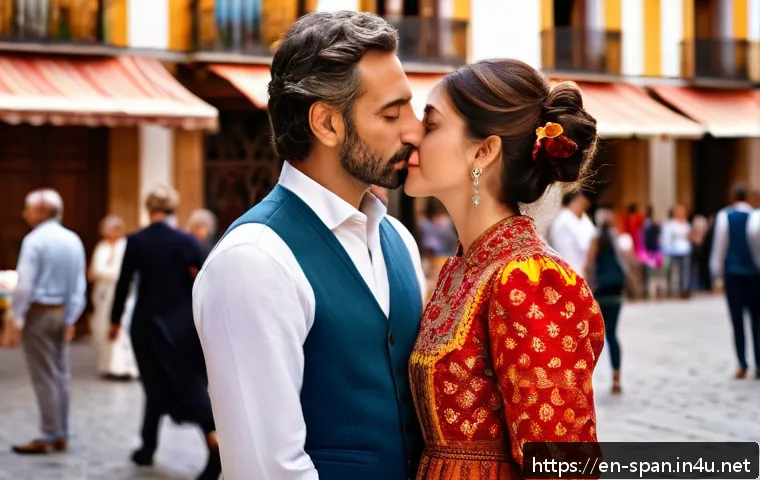
In Spanish-speaking cultures, body language plays a big role during introductions. A firm but friendly handshake is standard in many countries, but in some places like Spain or Latin America, a light hug or cheek kiss might be common among acquaintances.
From my experience, observing the other person’s cues helps you decide what’s appropriate. Smiling and maintaining open posture signals that you’re approachable and interested.
Avoid crossing your arms or looking away, as these can come off as disinterested or closed off. Gestures like nodding while the other person speaks encourage the conversation to flow naturally.
When you combine confident speech with welcoming body language, your introduction becomes memorable and impactful.
Mastering Small Talk to Keep the Conversation Flowing
Starting with Simple Questions to Show Interest
Once you’ve introduced yourself, moving smoothly into small talk can feel intimidating if you’re not used to the language or culture. A great way to ease into this is by asking open-ended questions that invite the other person to share.
For example, “¿De dónde eres?” (Where are you from?) or “¿Qué te gusta hacer en tu tiempo libre?” (What do you like to do in your free time?) are natural conversation starters.
I often rely on these because they encourage storytelling and reveal common interests, which builds rapport quickly. Also, listening attentively and responding with phrases like “¡Qué interesante!” (How interesting!) or “Eso suena divertido” (That sounds fun) shows genuine engagement.
Sharing Personal Tidbits to Build Connection
Small talk isn’t just about asking questions; sharing a little about yourself creates balance and trust. For instance, after hearing where someone is from, you might say, “Yo también conozco esa ciudad” (I also know that city) or “Me encanta la comida de tu país” (I love the food from your country).
These relatable statements help the other person feel comfortable and valued. When I’ve traveled or worked abroad, exchanging cultural experiences has often been the highlight of my conversations.
Don’t hesitate to mention your hobbies, favorite music, or even your language learning journey—it humanizes you and invites a deeper connection.
Handling Pauses Gracefully Without Awkwardness
Pauses or silences can happen, especially if you’re still mastering Spanish or the other person is thinking about their response. Instead of panicking, use this time to smile or make a light comment like “A veces me cuesta encontrar las palabras” (Sometimes I struggle to find the words).
This honesty often breaks tension and invites empathy. Another tip I’ve learned is to prepare a few fallback phrases such as “¿Puedes repetir, por favor?” (Can you repeat, please?) or “No entiendo bien, ¿puedes explicar?” (I don’t understand well, can you explain?).
These show your willingness to communicate effectively and keep the dialogue moving forward.
Expressing Your Profession and Passions Naturally
Talking About Your Job Without Sounding Robotic
Describing your profession in Spanish can feel tricky if you’re stuck on vocabulary or unsure how formal to be. Instead of reciting a memorized phrase, try to explain what you do in simple terms.
For example, instead of just saying “Soy ingeniero” (I am an engineer), add a bit about your role: “Trabajo en el diseño de software para aplicaciones móviles” (I work in software design for mobile apps).
This makes your introduction more engaging and easier for the listener to follow. I’ve found that showing enthusiasm about your work, even with basic Spanish, leaves a stronger impression than a perfect but dull description.
Sharing Hobbies and Interests to Spark Rapport
When you reveal your passions, it often leads to unexpected connections. Saying “Me gusta mucho la música” (I really like music) or “Practico deportes los fines de semana” (I play sports on weekends) invites the other person to share their interests too.
I remember once mentioning my love for hiking during a casual introduction, and it turned into a long conversation about favorite trails and outdoor spots.
Expressing what excites you in life makes you more relatable and approachable, which is exactly what you want when meeting new people.
Using Cultural References to Enrich Your Introduction
Including cultural elements, like favorite movies, food, or festivals, can make your introduction stand out. Saying “Me encanta la comida mexicana, especialmente los tacos” (I love Mexican food, especially tacos) or “Quiero visitar la Feria de Sevilla algún día” (I want to visit the Seville Fair someday) shows that you’ve taken an interest in the culture.
From personal experience, these references often lead to enthusiastic exchanges and sometimes even invitations to local events. It’s a subtle way to demonstrate respect and curiosity, which people deeply appreciate.
Polite Expressions That Leave a Positive Impression
Thanking and Showing Appreciation
Gratitude is a universal language, and in Spanish, simple phrases like “Gracias” (Thank you) and “Muchas gracias” (Thank you very much) go a long way.
When someone helps you or takes the time to chat, adding “Te lo agradezco” (I appreciate it) feels heartfelt and sincere. I always make a point to sprinkle these expressions throughout conversations because they signal respect and kindness.
In professional contexts, following up with “Fue un placer conocerte” (It was a pleasure meeting you) leaves the door open for future interactions.
Excusing Yourself Gracefully
Knowing how to politely end an introduction or conversation is just as important. You might say “Disculpa, pero tengo que irme” (Excuse me, but I have to go) or “Espero que podamos hablar otra vez pronto” (I hope we can talk again soon).
These phrases help maintain goodwill even as you exit. I’ve found that ending on a positive note encourages others to remember you fondly and keeps connections alive.
Expressing Interest in Future Meetings
Showing eagerness to continue the relationship can be as simple as “¿Podemos intercambiar números?” (Can we exchange numbers?) or “Me encantaría seguir en contacto” (I would love to stay in touch).
These expressions indicate that you value the connection beyond the initial meeting. When I use them, I often get enthusiastic responses, which boosts my confidence and expands my network.
Essential Vocabulary and Phrases at a Glance
| English | Spanish Phrase | When to Use | Why It Works |
|---|---|---|---|
| Hello / Hi | Hola | Casual greetings anytime | Friendly and universal, easy to remember |
| My name is… | Me llamo… | Introducing yourself | Clear and polite, standard introduction |
| Nice to meet you | Mucho gusto | After introductions | Shows politeness and warmth |
| Where are you from? | ¿De dónde eres? | Starting small talk | Invites personal sharing, builds rapport |
| I don’t understand | No entiendo | Clarifying conversation | Encourages patience and explanation |
| Thank you | Gracias | Expressing gratitude | Simple, polite, always appreciated |
| Can we exchange numbers? | ¿Podemos intercambiar números? | To keep in touch | Shows interest in continuing the relationship |
Adapting Your Introduction to Different Spanish-Speaking Cultures
Recognizing Regional Differences in Greetings
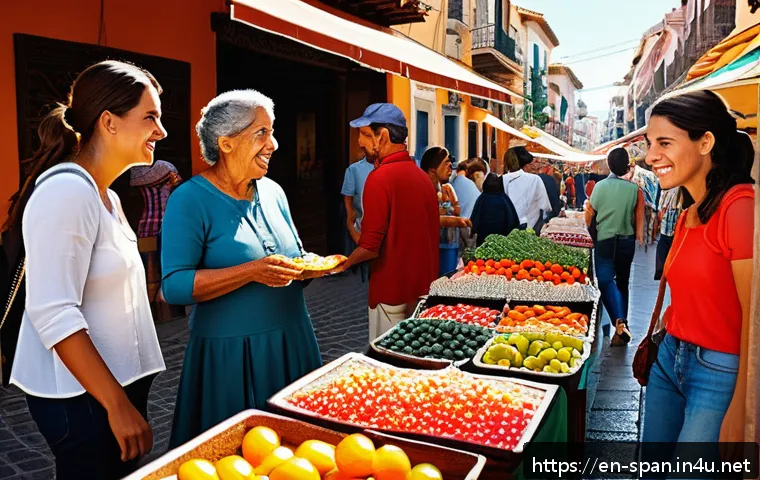
Spanish is spoken across many countries, each with unique customs when it comes to introductions. For example, in Mexico, it’s common to greet with a handshake and possibly a hug among friends, while in Spain, a double cheek kiss is customary even in initial meetings among acquaintances.
I’ve traveled through Latin America and noticed these subtle differences shape how people perceive your greeting. Being aware of local etiquette helps you avoid awkward moments and shows cultural respect.
If you’re unsure, starting formal and mirroring the other person’s style is a safe bet.
Adjusting Formality Based on Context
In professional settings, using “usted” instead of “tú” demonstrates respect for hierarchy and age. For instance, saying “¿Cómo está usted?” (How are you?) instead of “¿Cómo estás?” signals politeness and professionalism.
I’ve had situations where switching to the formal tone opened doors that might have remained closed with casual language. On the other hand, informal settings like parties or casual meetups often call for relaxed language to build warmth quickly.
Picking up on social cues and adjusting accordingly makes your introduction feel natural and appreciated.
Incorporating Local Phrases to Sound More Native
Every Spanish-speaking region has slang or colloquial expressions that add flavor to introductions. In Argentina, you might hear “Che, ¿cómo andás?” (Hey, how’s it going?), while in Colombia, “¿Qué más?” serves a similar purpose.
Using these phrases sparingly during your introduction can make you sound more authentic and relatable. I once tried a local greeting in Costa Rica, and the friendly laughter that followed made me feel instantly welcomed.
Just be careful not to overuse slang until you’re comfortable with its meaning and context.
Building Lasting Connections Beyond the Introduction
Following Up After Your First Meeting
The power of a great introduction doesn’t end when you say goodbye. Sending a quick message like “Fue un placer conocerte” (It was a pleasure meeting you) or “Espero que podamos vernos pronto” (I hope we can see each other soon) reinforces your interest and leaves a positive impression.
From my networking experience, timely follow-ups often lead to deeper conversations and opportunities. Don’t underestimate the impact of a thoughtful note—it shows you value the connection.
Leveraging Social Media to Stay Connected
In today’s digital age, exchanging social media handles or LinkedIn profiles is a modern extension of introductions. Saying “¿Me agregas en Instagram?” (Can you add me on Instagram?) or “Busquemos en LinkedIn” (Let’s find each other on LinkedIn) is a casual way to stay in touch and continue conversations.
I’ve found that social media also offers a window into the other person’s interests, helping me prepare for future chats. It’s an easy step that keeps connections alive beyond face-to-face meetings.
Practicing Your Introduction Regularly for Confidence
Like any skill, mastering introductions in Spanish improves with practice. I recommend rehearsing your key phrases aloud, recording yourself, or even role-playing with a language partner.
The more comfortable you are with the words and flow, the more naturally you’ll come across. From personal experience, preparation reduces anxiety and lets your personality shine through.
Over time, you’ll notice that what once felt awkward turns into second nature, opening doors to richer, more meaningful connections.
In Closing
Mastering the art of personal introductions in Spanish opens doors to meaningful connections and cultural appreciation. By combining thoughtful greetings, confident speech, and genuine body language, you create a memorable first impression. Remember, practice and cultural awareness are your best allies in making every introduction flow naturally. Embrace these tips, and soon you’ll find yourself navigating Spanish conversations with ease and confidence.
Helpful Information to Keep in Mind
1. Tailor your greeting to the time of day and formality to show respect and understanding of cultural nuances.
2. Use clear and simple phrases when introducing yourself, adding personal details to spark interest.
3. Pay attention to body language and social cues to communicate approachability and engagement effectively.
4. Prepare fallback expressions to handle pauses or misunderstandings gracefully during conversations.
5. Follow up after meetings and use social media to nurture and expand your connections beyond initial introductions.
Key Takeaways
Successful introductions in Spanish are more than just words—they blend respectful greetings, confident self-expression, and cultural sensitivity. Adjusting formality and local phrases according to the context enhances authenticity and rapport. Remember that small talk and sharing personal interests create lasting bonds, while polite expressions leave a positive impression. Continuous practice and attentiveness to social nuances will transform your interactions into rewarding experiences, helping you build meaningful relationships in Spanish-speaking environments.
Frequently Asked Questions (FAQ) 📖
Q: What are some basic Spanish phrases to introduce myself confidently?
A: Starting with simple yet effective phrases can make a huge difference. Try saying “Hola, me llamo [Your Name]” which means “Hello, my name is [Your Name].” Following that, you can add “Mucho gusto” meaning “Nice to meet you.” These phrases are friendly and widely understood, setting a warm tone for any conversation.
From my experience, pairing these with a genuine smile instantly makes interactions smoother and more inviting.
Q: How can I sound more natural when introducing myself in Spanish?
A: To sound natural, it’s key to go beyond just the words and focus on your tone and body language. Use a relaxed, confident voice and maintain eye contact.
Adding a simple question like “¿Y tú?” (“And you?”) after your introduction encourages the other person to share about themselves, creating a balanced conversation.
I’ve noticed that when I show curiosity and openness, native speakers respond more warmly, making the connection feel authentic rather than scripted.
Q: Are there cultural tips I should keep in mind when introducing myself in Spanish-speaking countries?
A: Absolutely. In many Spanish-speaking cultures, greetings often include a handshake, or even a light cheek kiss depending on the country and context. It’s common to use formal titles like “Señor” or “Señora” when meeting someone older or in a professional setting.
Also, personal space tends to be closer than in English-speaking countries, so don’t be surprised if people stand a bit nearer during conversations. When I traveled to Spain, adapting to these customs helped me build rapport quickly and showed respect, which was always appreciated.