Mastering Spanish numbers opens a whole new door to communicating more naturally and confidently. Whether you’re shopping in a bustling market or telling time with friends, knowing how to use numbers correctly makes everyday conversations smoother.

Plus, numbers often carry cultural nuances that can make your language skills stand out. From basic counting to expressing dates and prices, understanding these essentials is key to navigating Spanish-speaking environments.
Ready to boost your fluency and feel more connected? Let’s dive into the details below and get you counting like a pro!
Unlocking the Building Blocks: Numbers from Zero to Twenty
Getting Comfortable with the Basics
When you first start learning Spanish numbers, zero to twenty is your playground. These are the numbers you’ll encounter everywhere—from prices at a café to bus numbers in a city.
What I’ve found is that mastering these basics early on makes all the difference. For example, the number “cero” for zero sounds straightforward, but the way “quince” (15) rolls off the tongue is unique and fun to practice.
Getting these right sets a solid foundation, so you don’t get lost when numbers start getting longer.
Pronunciation Tips That Help You Stand Out
Spanish pronunciation can trip up even seasoned learners, especially with numbers. Take “dos” (2) and “diez” (10); they sound similar but have subtle differences in the vowel sounds.
I remember when I first mispronounced “once” (11) and ended up confusing my Spanish friend—embarrassing but a great lesson. Practicing aloud, preferably with native speakers or language apps, helps you nail the rhythm and intonation.
This not only boosts your confidence but also makes you sound more natural and approachable.
Everyday Uses That Make Learning Stick
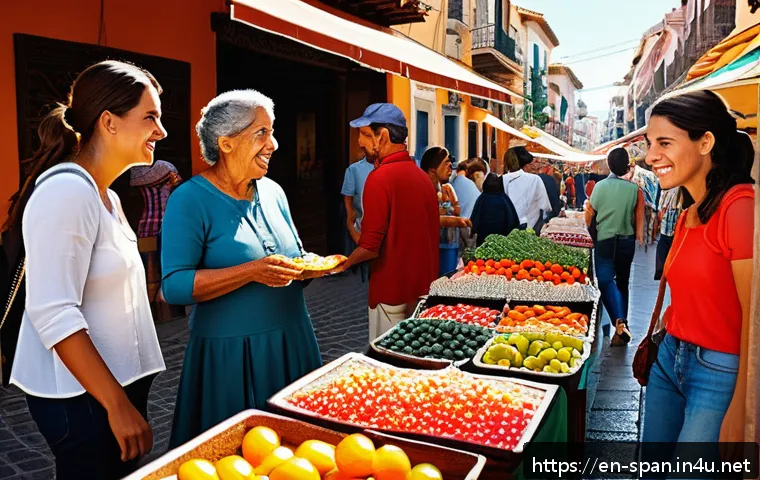
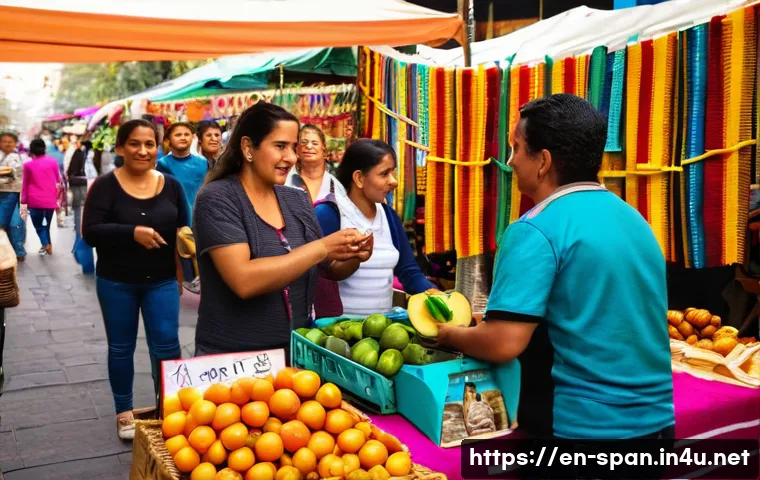
Numbers pop up everywhere—from telling time to saying your age or negotiating a price. I once bargained for souvenirs in a market, and knowing how to say numbers fluently saved me from overpaying.
It’s these real-life moments that make learning numbers more than just memorizing—they become tools you use daily. Try practicing by reading price tags, phone numbers, or even your grocery list in Spanish.
It’s a simple trick that I swear by to keep the numbers fresh in your mind.
Moving Beyond Basics: Mastering Tens and Hundreds
Understanding the Pattern in Larger Numbers
Once you’re comfortable with the first twenty numbers, the next step is tackling the tens and hundreds. This is where Spanish numbers start showing their logical side.
For instance, “veinte” (20) leads to “veintiuno” (21), “veintidós” (22), and so on. The pattern continues with “treinta” (30), “cuarenta” (40), making it easier to guess numbers you haven’t memorized yet.
I found that recognizing these patterns helped me decode prices or addresses quickly, especially when I was traveling.
Hundreds and Beyond: When Numbers Get Longer
Talking about hundreds involves words like “cien” (100) and “doscientos” (200). What’s cool is how Spanish mixes these with smaller numbers, like “ciento veinte” (120).
At first, the longer numbers can seem intimidating, but once you get the hang of combining parts, it’s straightforward. In my experience, practicing these combinations aloud, even just describing random numbers you see around, builds fluency.
Plus, it’s fun to see how efficient and expressive Spanish can be with numbers.
Why Knowing These Matters in Real Life
When you’re at a restaurant or booking tickets, you’ll often deal with larger numbers. I remember trying to reserve seats for a concert and having to confirm row numbers and ticket quantities.
If you’re not confident with these, it can feel stressful. Understanding how to say “trescientos cincuenta” (350) or “cuatrocientos” (400) means you can communicate clearly and avoid mistakes.
This skill makes your interactions smoother and shows respect for the language and culture.
Decoding Dates and Time Like a Local
Expressing Dates Naturally
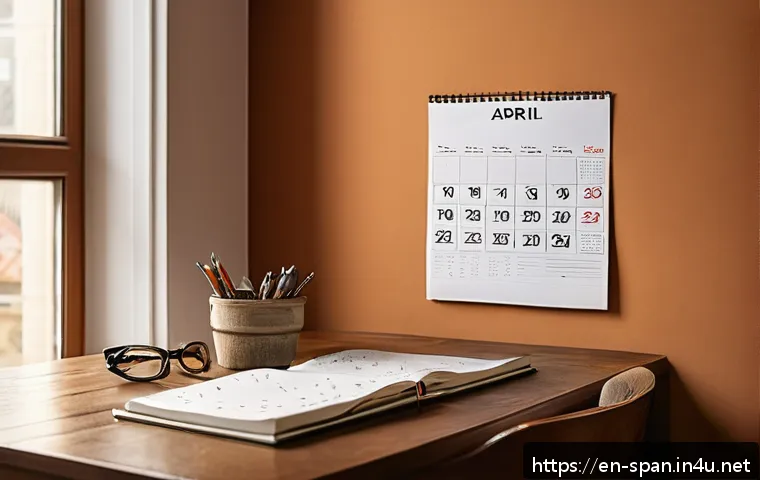
Dates in Spanish follow a pattern that’s quite different from English, usually “day + month + year.” For example, “el veinte de marzo de dos mil veinticuatro” means March 20, 2024.
It took me a little while to get used to saying the year in full, especially when numbers get long. But once you practice, it feels natural. Also, knowing how to say days and months correctly adds authenticity to your speech and makes scheduling plans easier.
Mastering Time Expressions
Telling time in Spanish is a whole world of its own. Phrases like “Es la una” (It’s one o’clock) versus “Son las dos” (It’s two o’clock) can confuse beginners.
My tip is to listen to native speakers or watch Spanish TV shows to catch the rhythm. Also, understanding how to say “y media” (half past) or “menos cuarto” (quarter to) is essential for smooth conversations.
I’ve found that using a clock app in Spanish helps me practice this in real contexts.
Common Phrases to Practice Every Day
Simple expressions like “¿Qué hora es?” (What time is it?) or “Hoy es lunes” (Today is Monday) are great daily practice starters. I like to challenge myself by saying the date and time aloud whenever I check my watch or phone.
This habit helped me internalize the structure and boosted my confidence in spontaneous conversations. Plus, it’s a neat way to impress native speakers with your fluency.
Handling Money and Prices with Confidence
Understanding Currency Terms and Numbers
Dealing with money is one of the most practical reasons to master Spanish numbers. Whether you’re in Mexico using pesos or Spain using euros, knowing how to say amounts correctly is vital.
I recall when I first tried to buy street food and struggled with the prices. Knowing the difference between “cinco” (five) and “cincuenta” (fifty) changed everything.

Also, learning currency-specific terms like “centavos” (cents) makes transactions smoother.
Negotiating and Bargaining Tips
In many Spanish-speaking countries, bargaining is a cultural norm. Being able to confidently say numbers can give you an edge. For example, if a vendor says “cien pesos,” you can counteroffer with “ochenta pesos” or “setenta y cinco.” I experienced this firsthand in markets where my ability to communicate numbers clearly earned me better deals and respect.
So practicing numbers isn’t just academic—it’s a real-world skill that saves money.
How to Read and Say Prices Fluently
Prices often appear in decimals, like “diez con cincuenta” (10.50). At first, this can be confusing if you’re used to commas in numbers. The key is to understand that “con” replaces the decimal point in speech.
When I first learned this, I practiced by reading price tags in stores and imagining I was the buyer. This exercise made me more comfortable and less likely to stumble in real shopping situations.
Common Number Expressions and Their Cultural Flavor
Idiomatic Uses of Numbers
Numbers in Spanish aren’t just for counting—they often appear in idioms and expressions. For example, “estar en las siete nubes” means “to be daydreaming” (literally “to be on the seven clouds”).
Learning these adds color to your language and helps you understand native speakers better. I love dropping these phrases casually because they make conversations more lively and show your cultural savvy.
Numbers in Popular Culture and Traditions
Certain numbers carry cultural significance, like “tres” (three), which symbolizes luck or completeness in many Latin cultures. During holidays, you might hear about “las doce uvas” (the twelve grapes) eaten at midnight on New Year’s Eve for good luck.
Knowing these traditions not only enriches your vocabulary but also connects you more deeply with the culture. I’ve always found that sharing these tidbits sparks great conversations with locals.
How to Use Numbers to Express Emotions
Numbers can also be used to convey feelings, like “mil gracias” (a thousand thanks) or “un millón de veces” (a million times). These exaggerations add warmth and emphasis to your speech.
I find that native speakers appreciate when learners use these expressions because it shows your enthusiasm and creativity with the language. Try sprinkling them into your conversations—you’ll notice a friendlier response!
Quick Reference: Spanish Numbers Cheat Sheet
| Number | Spanish | Pronunciation Hint | Common Use |
|---|---|---|---|
| 1 | uno | OO-no | Counting, phone numbers |
| 5 | cinco | SEEN-ko | Prices, age |
| 10 | diez | dee-EHS | Time, quantities |
| 15 | quince | KEEN-seh | Dates, addresses |
| 20 | veinte | VAYN-teh | Prices, phone numbers |
| 30 | treinta | TRAYN-tah | Addresses, age |
| 100 | cien | SYEN | Money, quantities |
| 1000 | mil | meel | Large amounts, distances |
Tips for Practice That Actually Work
Incorporate Numbers into Daily Routines
One of the best ways to cement your knowledge is to make numbers part of your daily life. I started by counting objects around me in Spanish, like books or steps.
Then, I’d try to say the time or prices out loud when I was out and about. This constant exposure made the numbers second nature. Don’t be shy about making mistakes—every slip-up is a step closer to fluency.
Use Technology to Your Advantage
Apps and online tools can be incredibly helpful. I recommend using flashcards and language apps with voice recognition to practice pronunciation. Watching Spanish videos with subtitles helps you see and hear numbers in context.
Setting your phone or devices to Spanish is another easy way to immerse yourself daily. This tech integration made my learning feel less like a chore and more like a game.
Practice with Native Speakers Whenever Possible
Nothing beats real conversations. Whether through language exchanges, meetups, or online chats, talking with native speakers sharpens your skills and gives you instant feedback.
I’ve found that most people appreciate when learners try to speak their language and will help you with numbers and pronunciation. Plus, it’s a great way to build friendships and cultural understanding at the same time.
Wrapping Up
Mastering numbers in Spanish from zero to beyond a thousand opens doors to smoother communication and deeper cultural connection. Whether you’re navigating daily life, traveling, or engaging with native speakers, a solid grasp of numbers boosts your confidence and fluency. Keep practicing regularly, and soon these numbers will feel like second nature.
Useful Tips to Remember
1. Practice numbers in real-life contexts like shopping, telling time, or reading addresses to make learning practical and memorable.
2. Use language apps with voice recognition to improve your pronunciation and reinforce number patterns.
3. Incorporate numbers into your daily routine by counting objects, saying the time, or reading prices aloud.
4. Engage in conversations with native speakers to get real-time feedback and build cultural understanding.
5. Don’t be afraid to make mistakes—every error is a valuable learning opportunity that brings you closer to fluency.
Key Takeaways
Understanding Spanish numbers is essential for effective communication in everyday situations, from shopping to scheduling. Focus on mastering pronunciation and number patterns early to build confidence. Regular practice, especially through real conversations and technology, accelerates learning. Embracing cultural expressions involving numbers enriches your language skills and helps you connect on a deeper level with Spanish speakers.
Frequently Asked Questions (FAQ) 📖
Q: How can learning Spanish numbers improve my everyday conversations?
A: Mastering Spanish numbers makes daily interactions much smoother. For instance, when shopping at a market, knowing how to say prices clearly helps avoid confusion and speeds up transactions.
Also, telling time or giving your phone number becomes effortless, allowing you to engage more naturally with native speakers. From my experience, even simple things like understanding bus schedules or dates become less stressful once you’re comfortable with numbers.
Q: Are there any cultural nuances I should be aware of when using numbers in Spanish?
A: Absolutely! Numbers in Spanish often carry cultural significance beyond their literal meaning. For example, the number 15 is important because quinceañeras celebrate a girl’s 15th birthday, marking a major life milestone.
Also, prices or quantities might be rounded differently in casual speech, so locals might say “about twenty” instead of an exact figure. Recognizing these subtleties helps you sound more authentic and shows respect for local customs.
Q: What’s the best way to practice Spanish numbers effectively?
A: The best approach is to use them in real-life contexts as much as possible. Try counting items while shopping, telling time throughout the day, or even practicing phone numbers with friends.
I found that listening to Spanish radio or podcasts where numbers are frequently mentioned also helps. Flashcards are good, but pairing numbers with everyday situations makes the learning stick and keeps you motivated.